
How to Reduce your Climate Impact and Contribute to Sustainable Development
We all have an impact on the planet, and we can all play a part on the journey towards a more sustainable world. By supporting projects that issue Carbon Credits from a reputable source you can help reduce Greenhouse gas emissions and create verified sustainable development benefits for the communities that need it most.
Once you’ve decided you want to support Gold Standard-certified projects, you can take the following steps:
1 - Reduce your emissions
We won’t reach global net-zero without a collective effort. There are simple steps you can take to reduce your emissions:
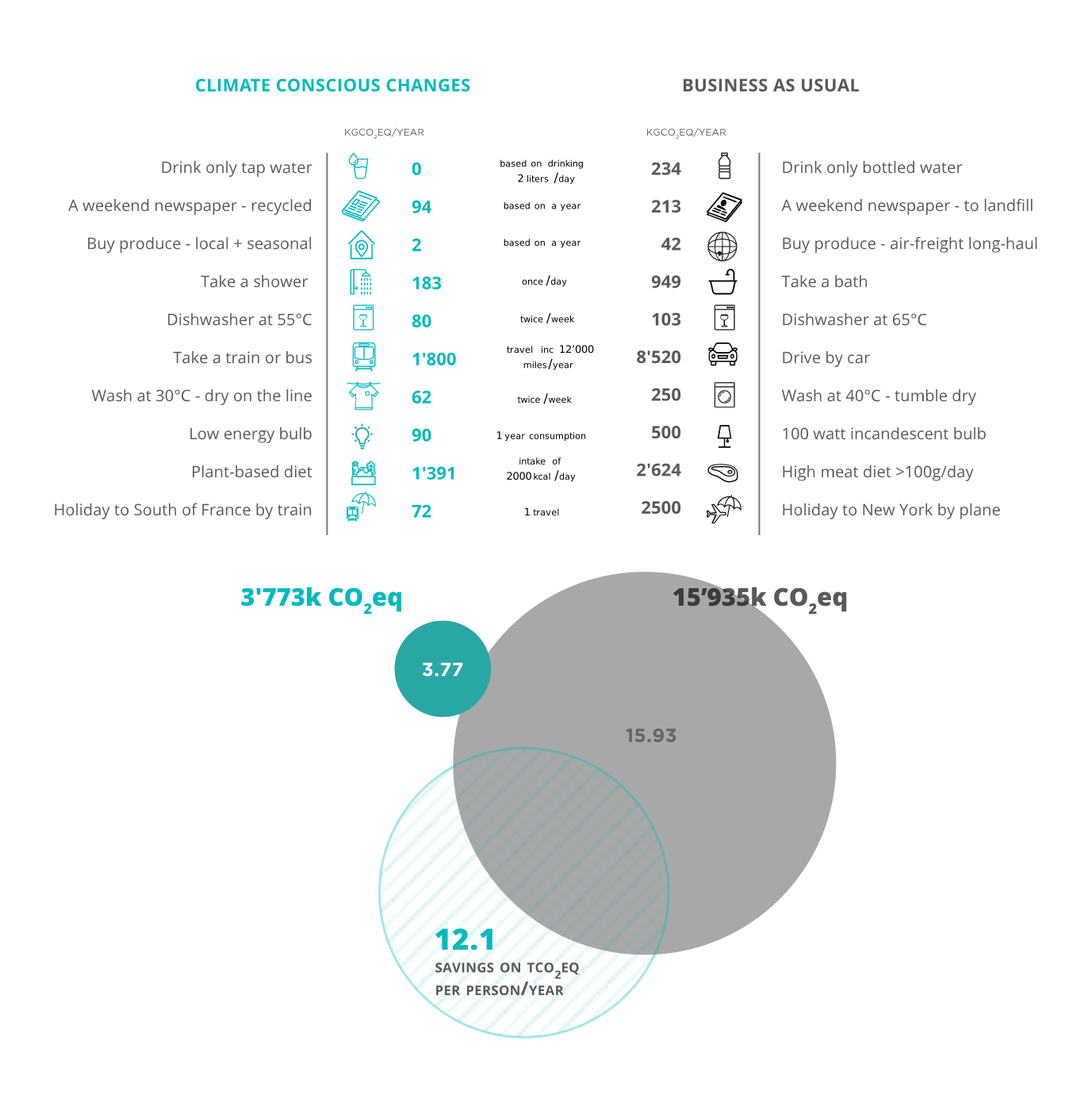
By making these changes you could save 12.1t CO2eq per year.
2 - Work out the number of credits you need
It is not possible for anyone to reduce their individual emissions completely. After you have started to consciously reduce the emissions you can control, you can review your remaining impact. You can use the following tools to calculate your impact:
United Kingdom
If you live in the UK you can use the WWF UK footprint calculator a detailed estimate of your emissions.
Bespoke estimate
For a less bespoke estimate, you can also check the World Bank’s estimates of average emissions per capita.
- 1 tonne a month or less: Most European countries, emerging economies and developing countries
- 2 tonnes a month: Australia, Canada, Estonia, Luxembourg, United States + several oil exporting countries
- 3 tonnes a month or more: Curacao, Kuwait, Qatar, Trinidad & Tobago

Travel emissions
Use the ICAO calculator to identify the amount of CO2 emitted by your flight.
Business emissions
For understanding your businesses emissions refer to the GHG Protocol’s Emissions Calculator. For information about how businesses can take responsibility for their emissions and contribute to a net zero world refer to Gold Standard’s Climate Mitigation Framework.
3 - Choose a project and make your purchase
On Gold Standard’s Marketplace you can choose from a variety of climate protection projects, with funds going direct to project developers, enabling them to maintain and expand their projects and deliver more impact.
Each carbon credit equals 1 tonne of Co2 reduced or removed from the atmosphere, therefore purchases are always by the tonne. For example, if you calculate your individual impact at 8.8 tonnes per year, you can purchase 9 carbon credits. If you calculate emissions from a flight you took as 0.58 tonnes, you can purchase 1 carbon credit.
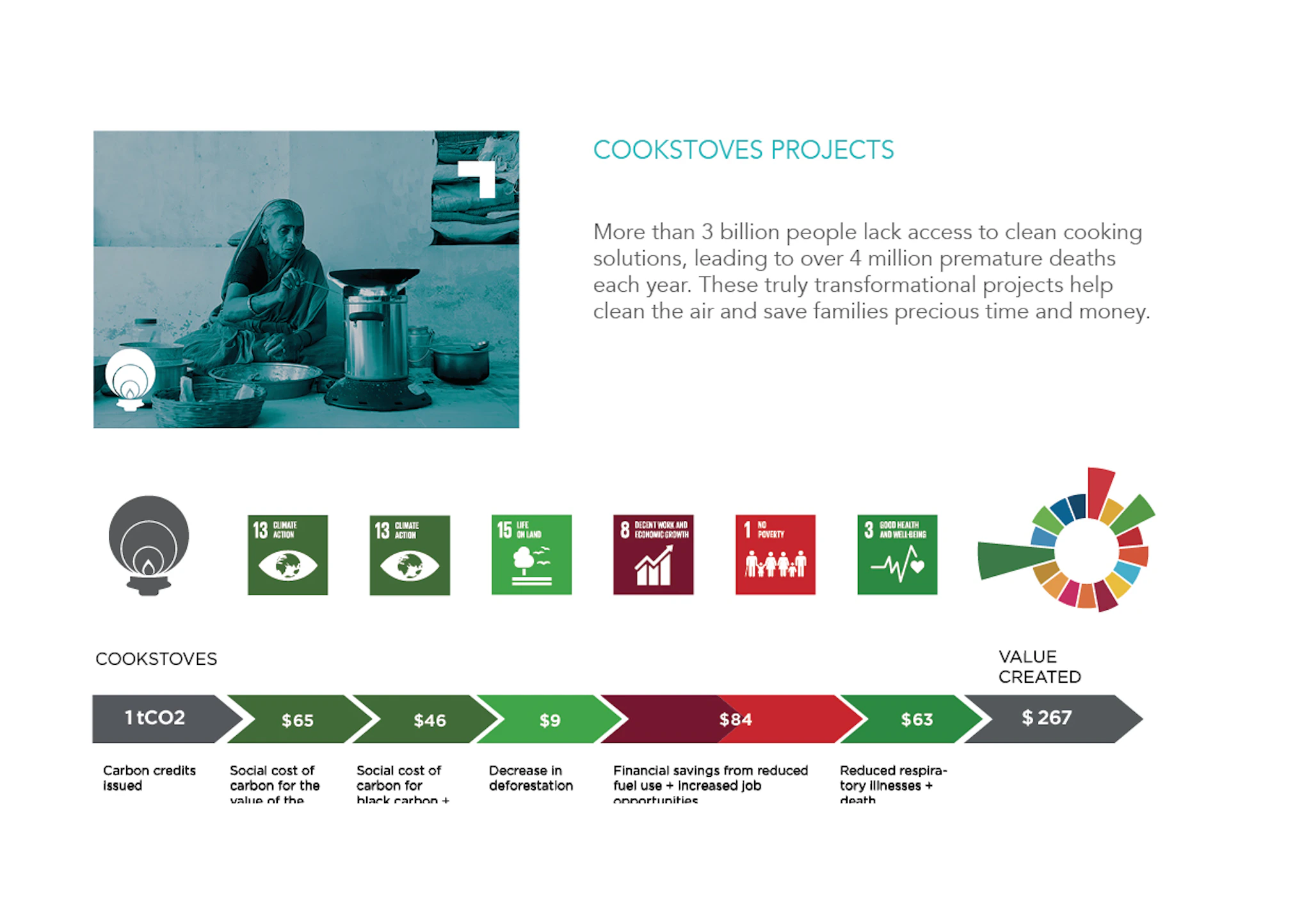
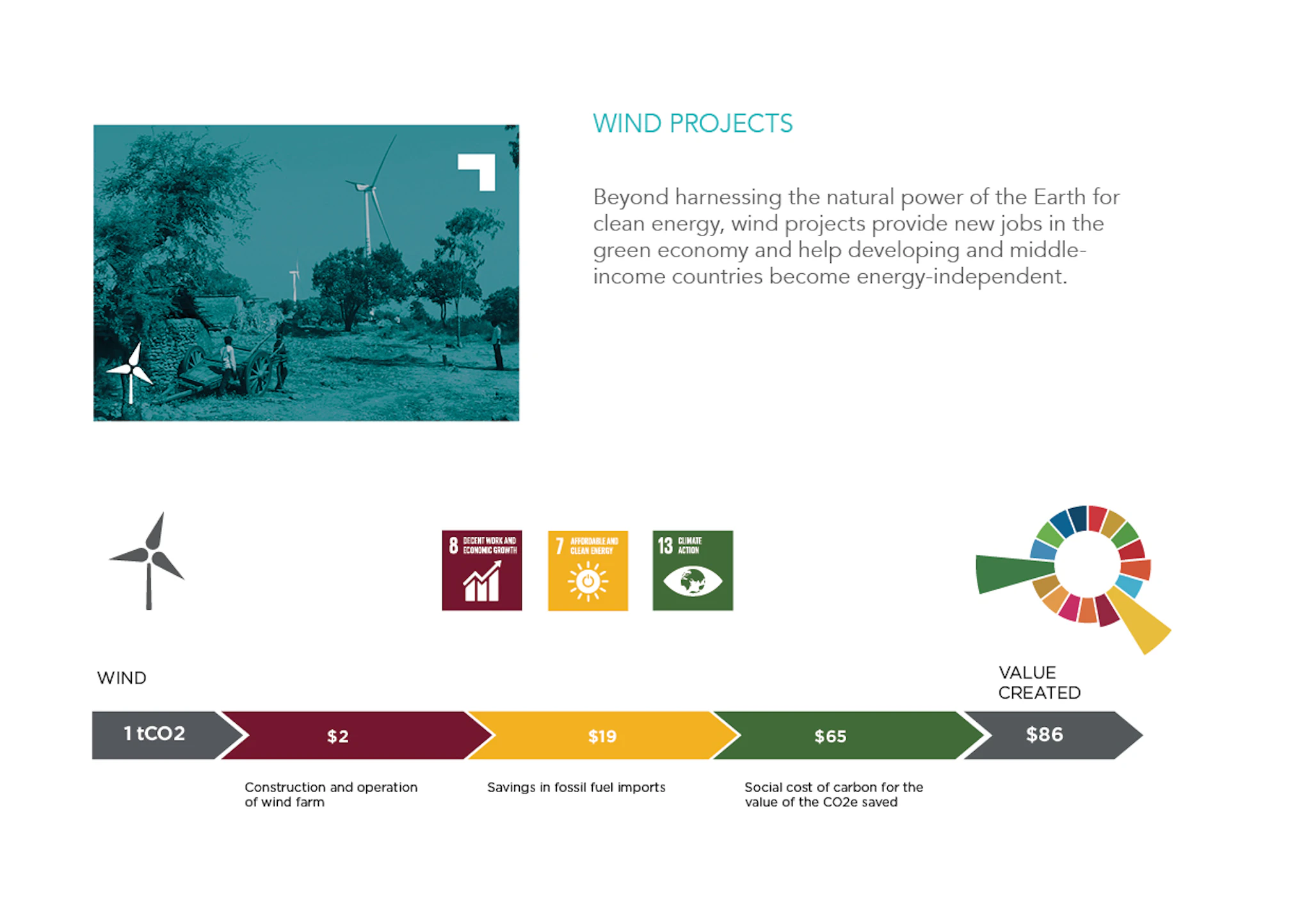
Different projects provide different benefits. For example, a large-scale wind project provides more country level benefits such as better access to clean technologies, local employment opportunities, more energy independence and increased social stability. Whereas an improved cookstove project benefits people at a community level. It decreases indoor air pollution, improving health predominantly among women and children. Less wood is required helping to decrease deforestation and saving families money, and less time is needed for collecting wood, providing more opportunities for schooling and social activities.
The price of a carbon credit is determined by several factors including the co-benefits associated with the project, and market forces. You can learn more about the value of carbon credits and how Gold Standard tonnes are priced.
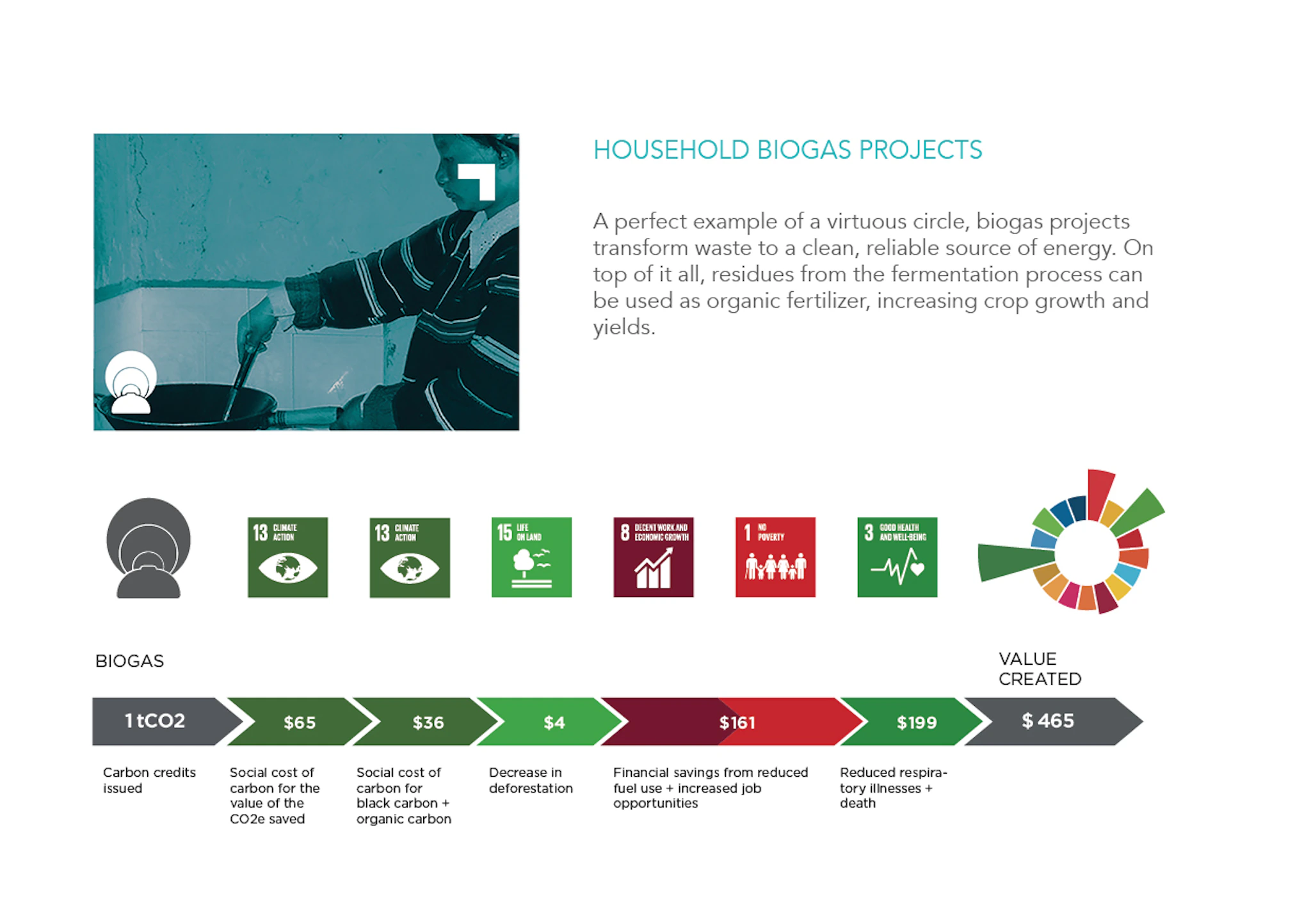
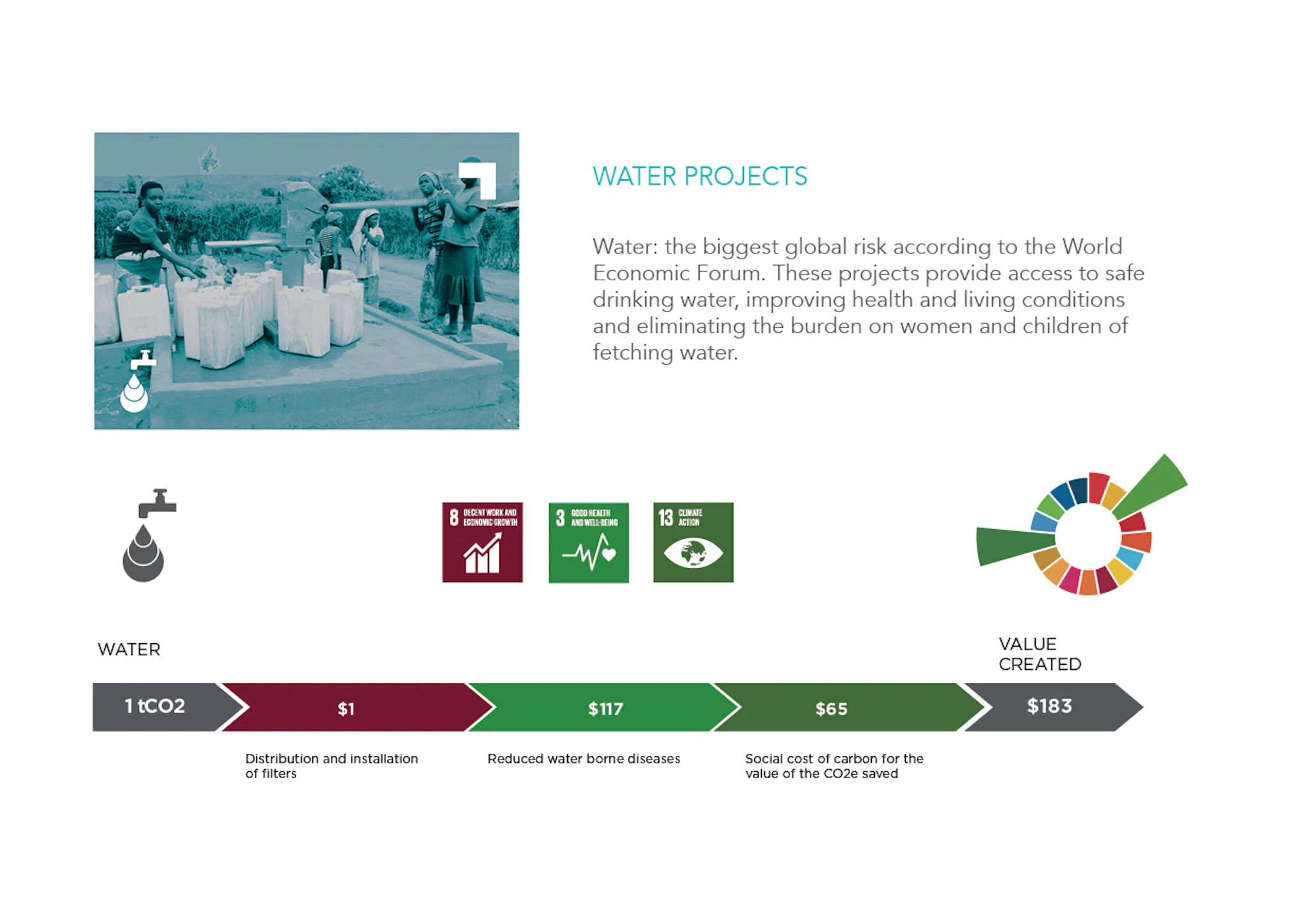
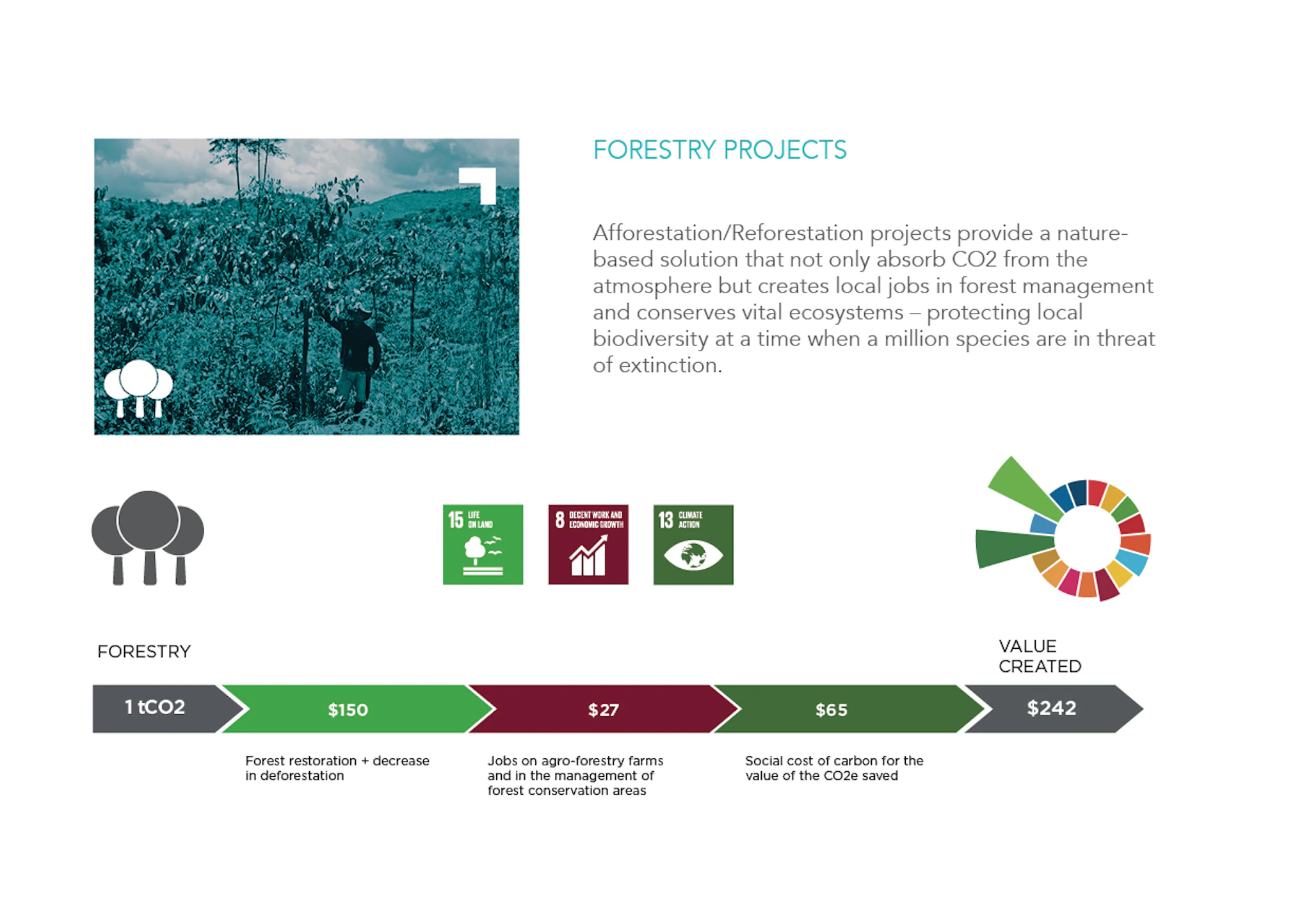
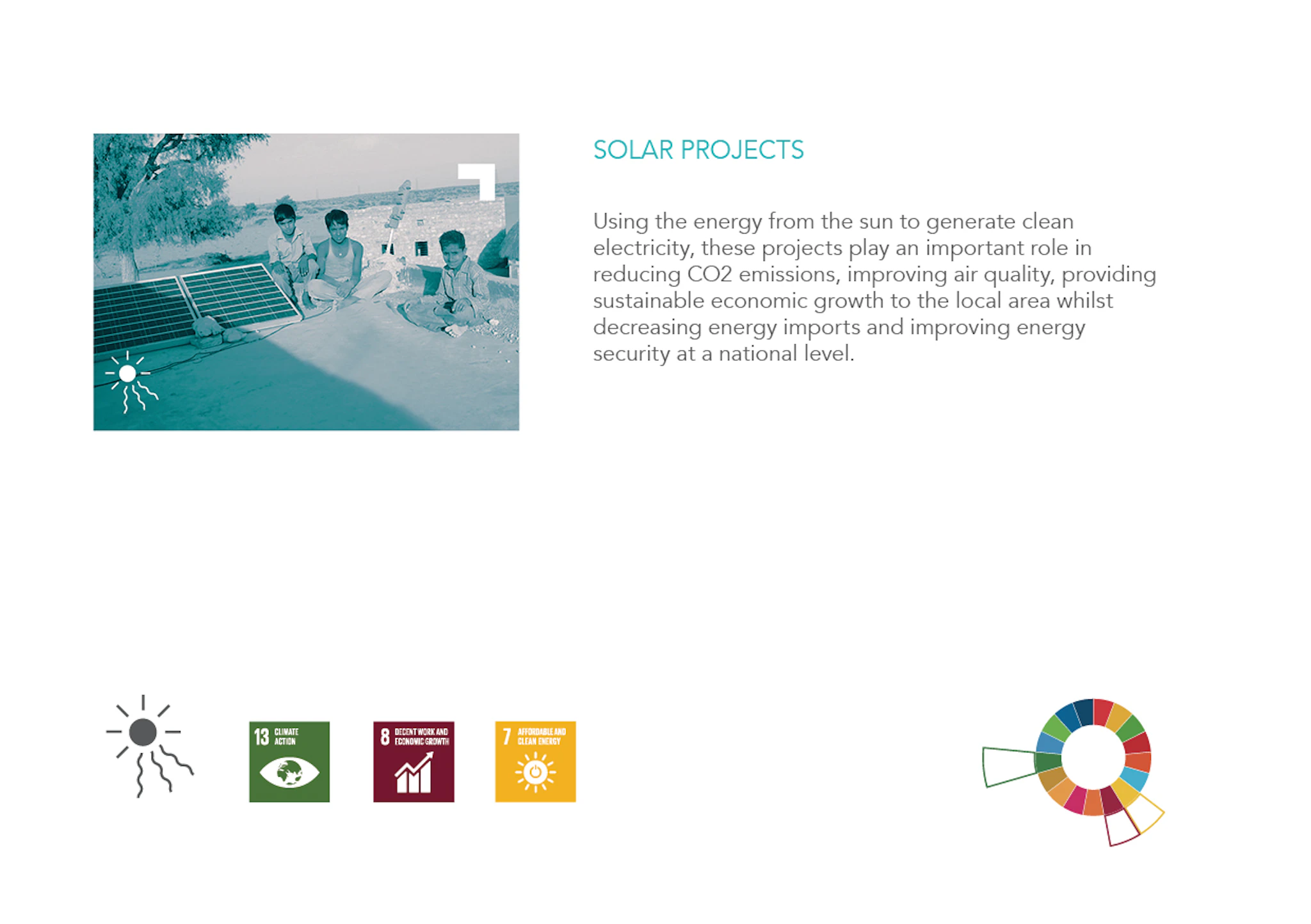
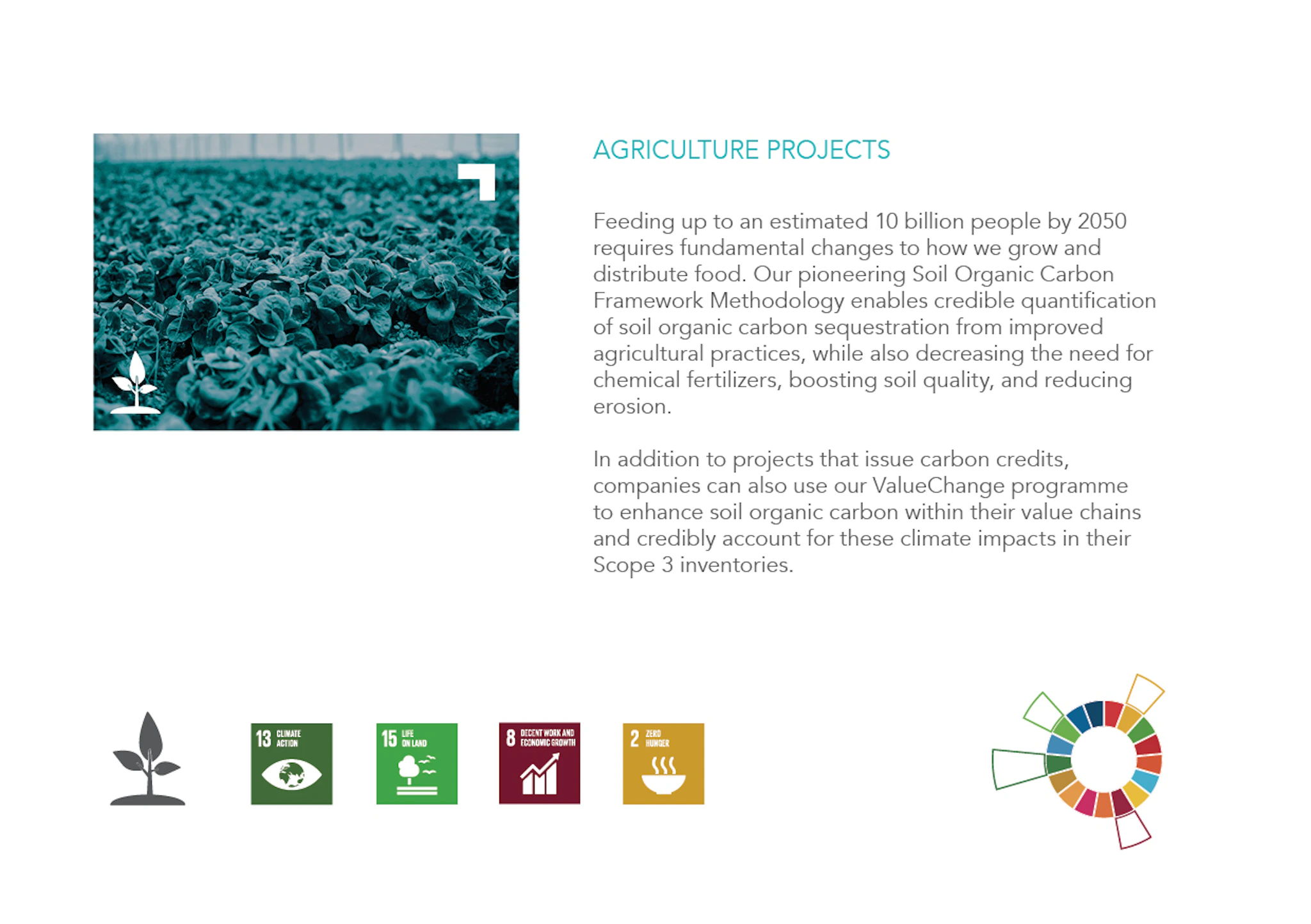
Here are examples of some typical emission reduction projects and the benefits they deliver:
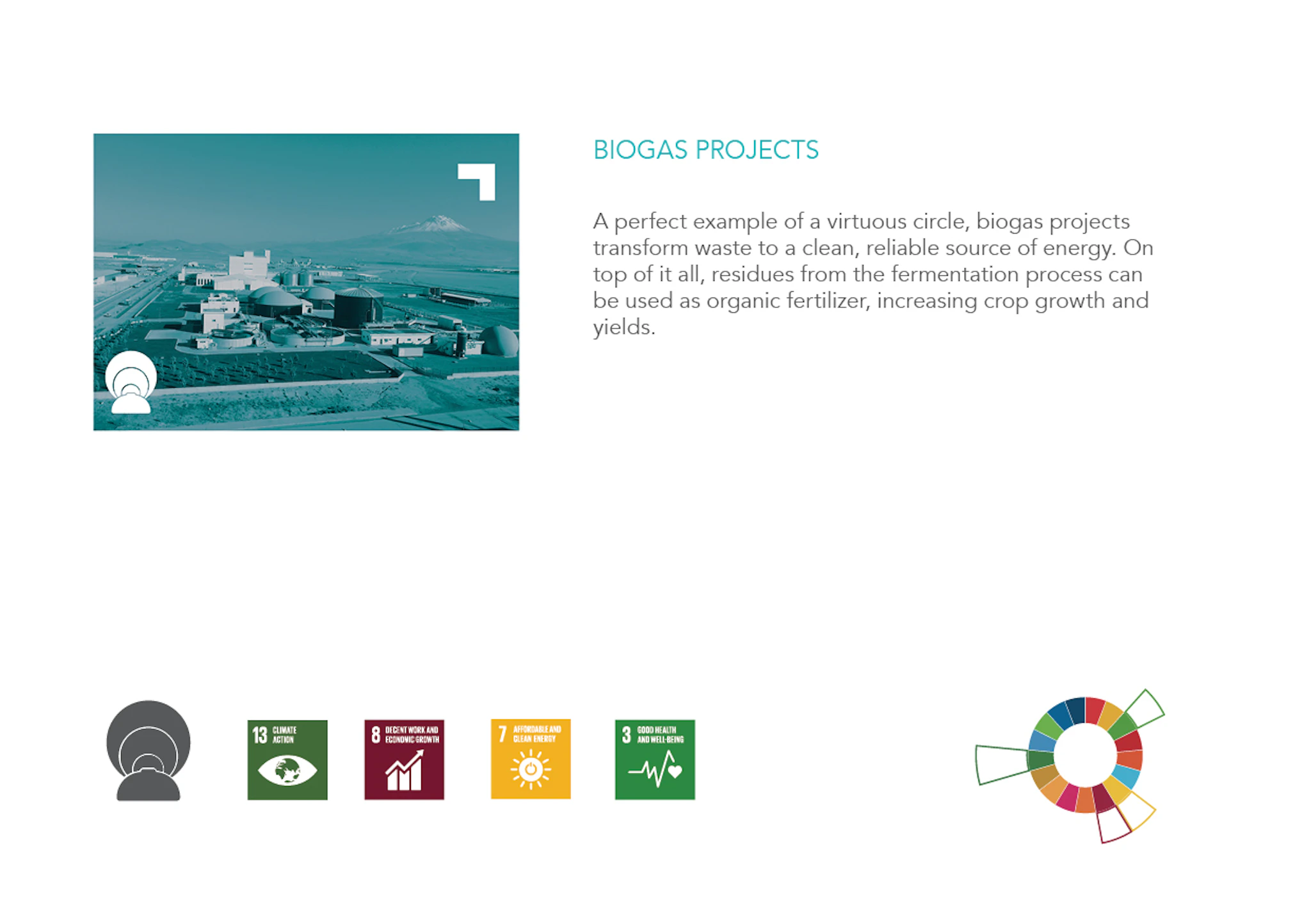
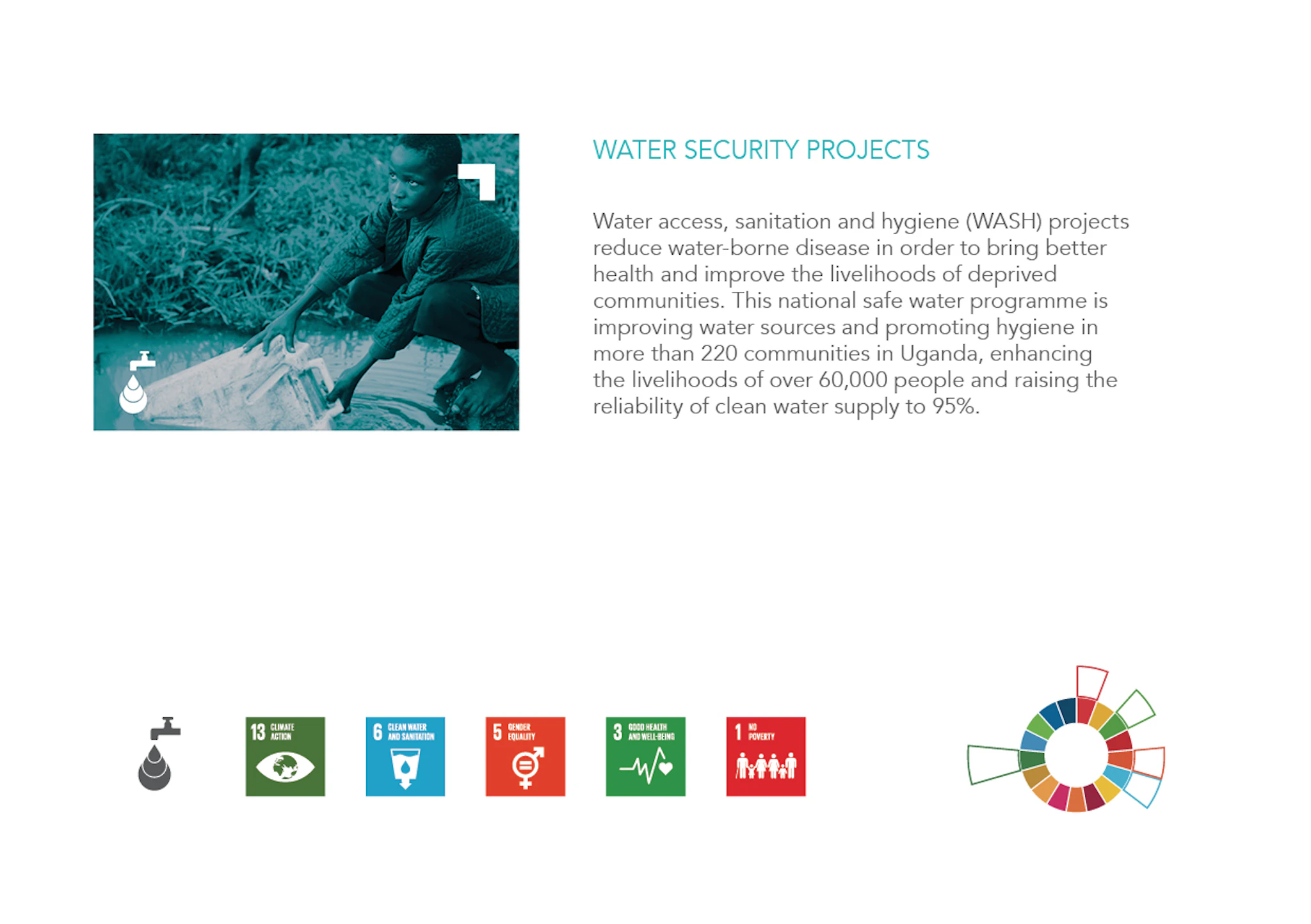
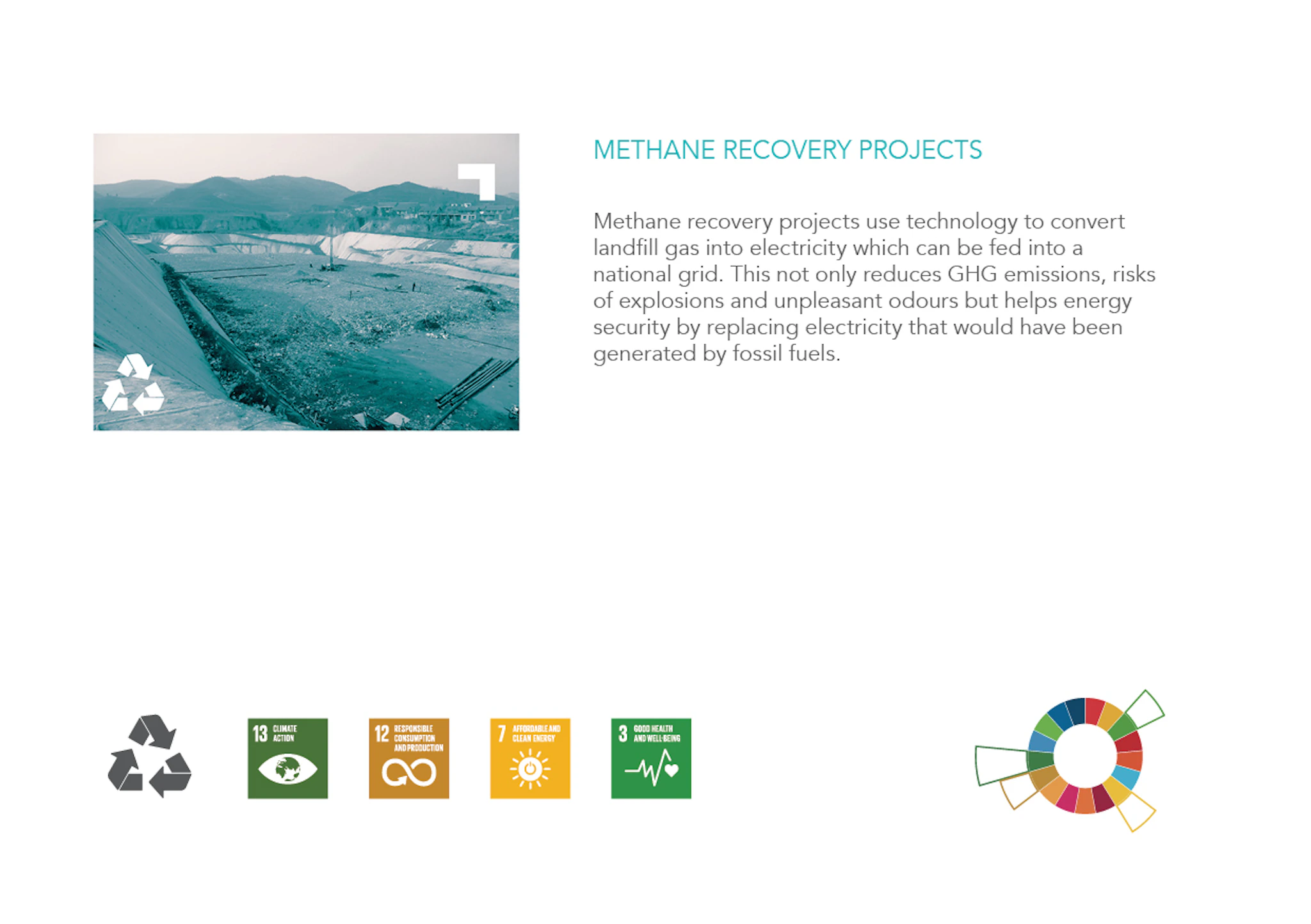
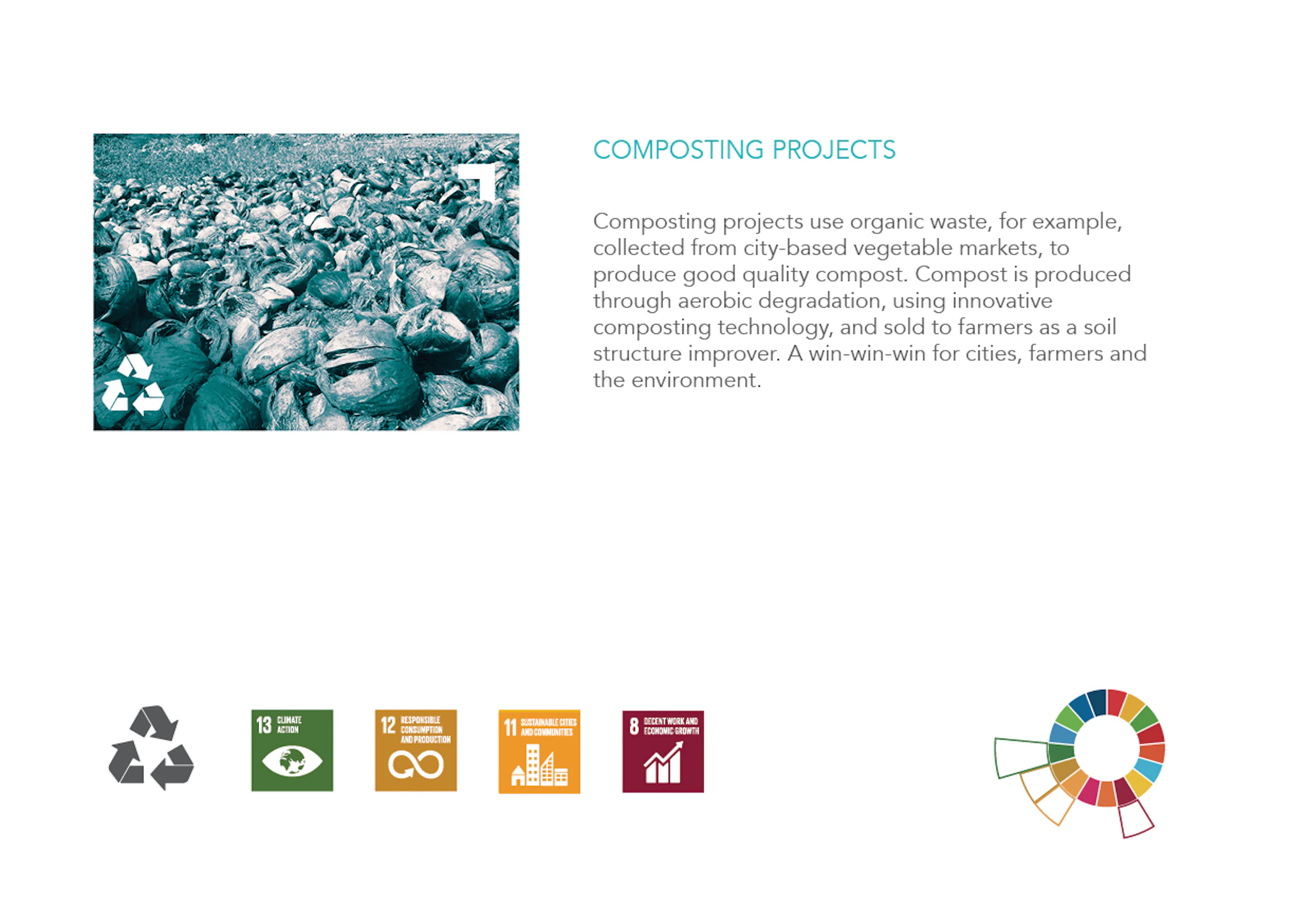
Once you have made your selection, add them to your cart and proceed with the checkout process.
You will receive a unique certificate by email to mark your purchase. This will contain a link to the Gold Standard Impact Registry where your credits will have been “retired” - this means that they cannot be recirculated or resold.
4 - Tell everyone
You can also learn more about the value of carbon credits and how Gold Standard tonnes are priced. And if you’re having trouble deciding on a project, you can support a variety of projects through the Climate+ Portfolio.