
Gold Standard

Consultation

Decentralised Organic Waste Processing for Methane Emissions Reductions (DOWMER)

  • Consultation Period 27 May 2026 - 27 Jun 2026
  • Submission Deadline Jun 27, 2026 — 15:59 (Europe/Zurich)
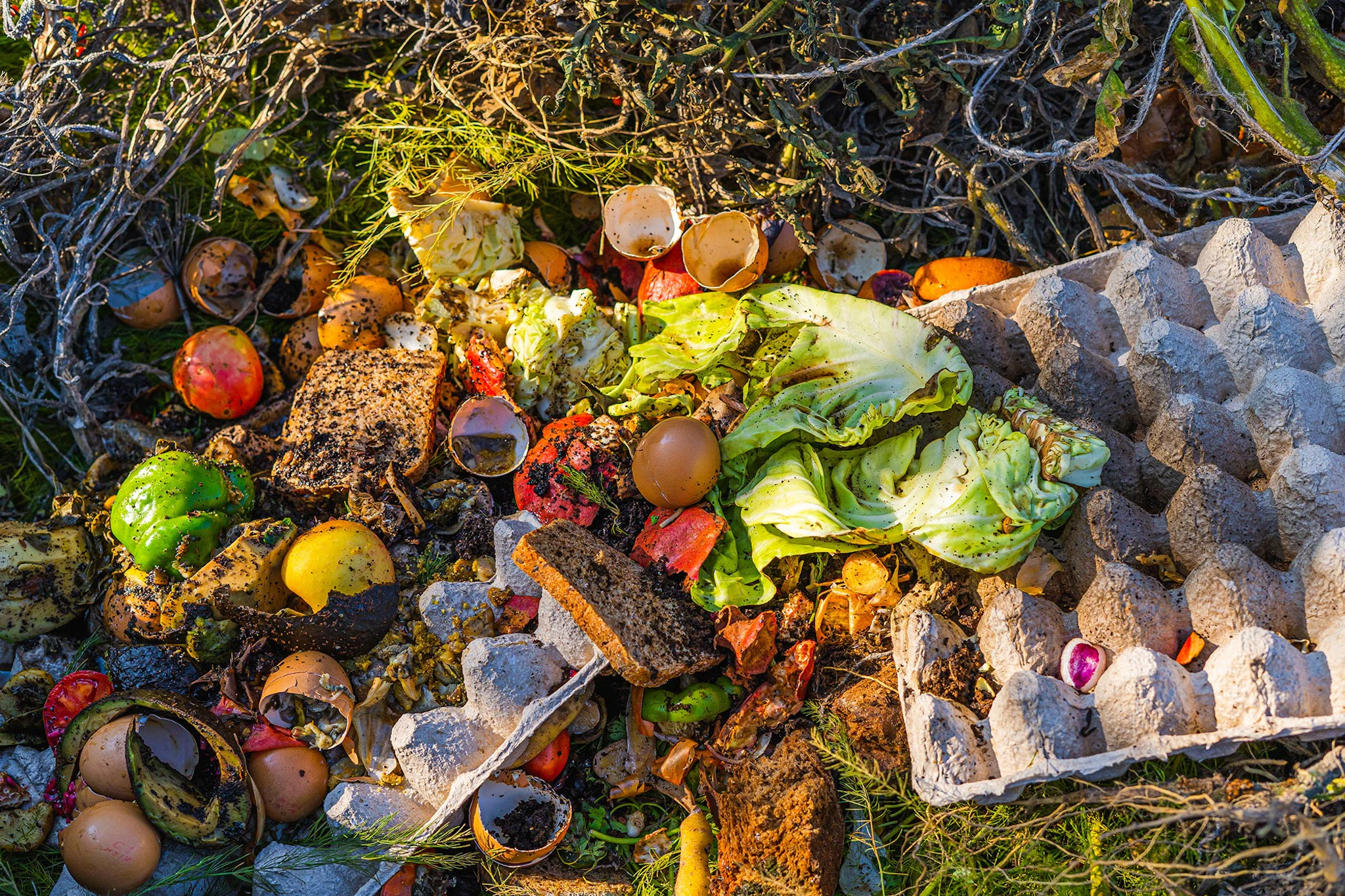
DOWMER illustrative cover

Background

Decentralised Organic Waste Processing for Methane Emission Reduction (DOWMER) is a revised, Paris Agreement Aligned (PAA) version of the existing small-scale GS4GG methodology, Reduction in Methane Emissions from Landfills Through Decentralised Organic Waste Processing.  

This methodology revision establishes a comprehensive framework for quantifying emission reductions. It targets the decentralised, on-site treatment of organic waste. Without this treatment, the waste would be otherwise disposed of in landfills where it generates significant methane emissions. By transitioning to a Paris Agreement Aligned framework, the methodology ensures that project activities meet the latest global standards for robust tracking, high environmental integrity, and credible carbon accounting.


Key Features

  • Dual-Emission Tracking: Quantifies emission reductions from both avoided landfill methane and avoided waste transportation.
  • Modular & Decentralised: Applies to decentralised, modular waste processing units with robust monitoring and traceability requirements.
  • Strict Safeguards: Integrates safeguards to prevent double counting, ensure regulatory compliance, and manage environmental and social risks.
  • Future-Proofed Baselines: Includes conservative baseline adjustment mechanisms and downward adjustment factors to promote increasing climate ambition over time.
  • Byproduct Accountability: Provides provisions for monitoring compost/byproduct management and addressing leakage risks associated with waste diversion activities.

Feedback

While general feedback on the DOWMER methodology is welcome, Gold Standard is specifically seeking expert feedback on Section 7 regarding:

  • Discounting Approaches: Views on the proposed Combined Discount Factor (CDF) approach (which mixes a Baseline Adjustment Factor and a Non-Compliance Discount) versus an alternative single-factor Regulatory Adjustment (RA) approach.
  • Default Penalty Values: Whether the proposed 20% default Non-Compliance Discount (NCD) is appropriate for regions where local regulatory enforcement data is unavailable.

Document under Consultation

  • DOWMER: Decentralised Organic Waste Processing for Methane Emission Reduction v.2.0

Submission process

Please fill in the online form accessible via the button here below, before 27June 2026 at 17:59 (CEST)