
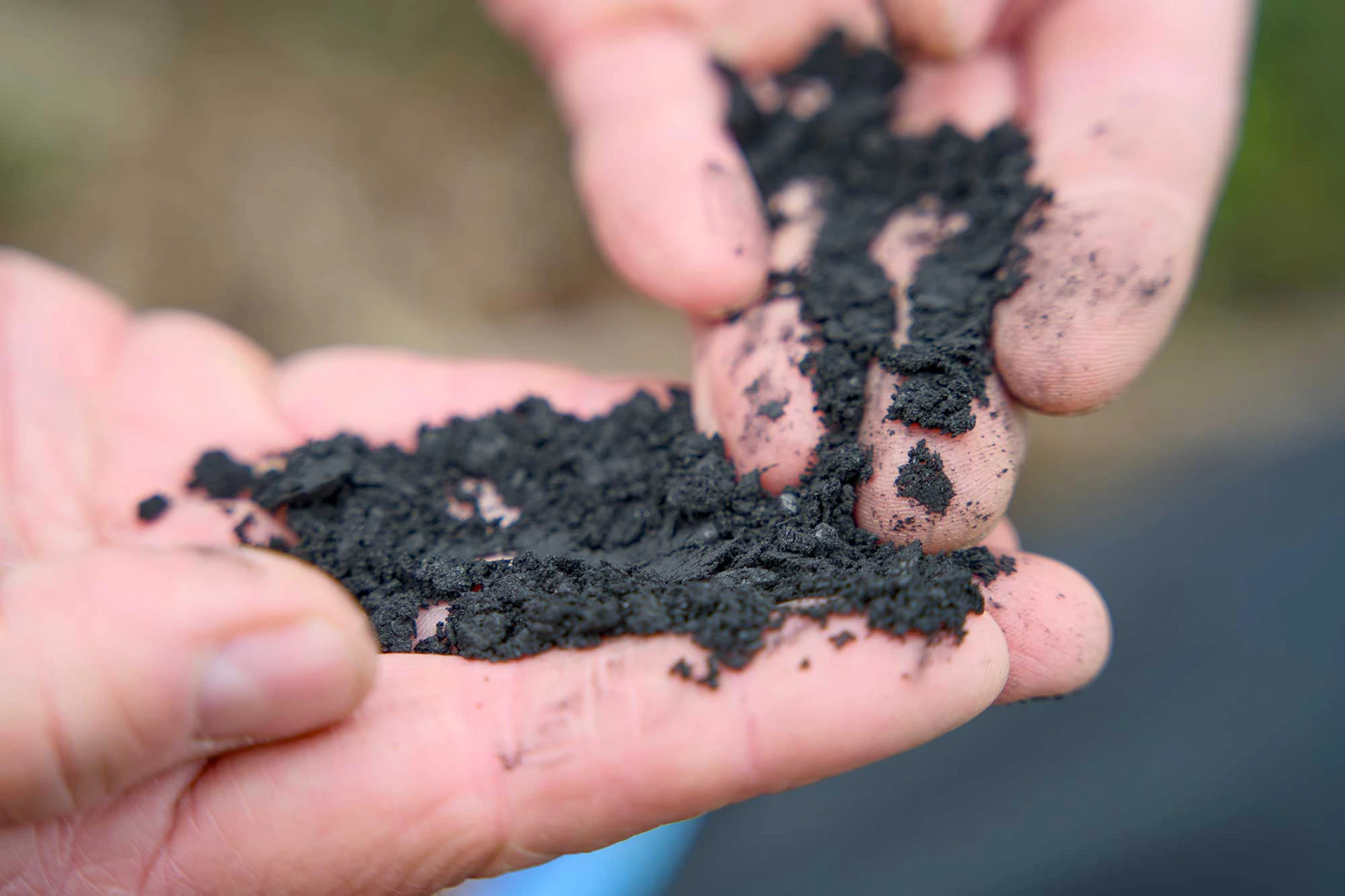
As the global Carbon Dioxide Removal (CDR) sector scales, the biochar market faces a critical trilemma: how to mandate uncompromising scientific precision for large-scale industrial facilities, ensure equitable carbon finance access for artisanal smallholder farmers in the Global South, and mathematically guarantee centennial-to-millennial-scale permanence.
To address this, Gold Standard is introducing the Production and Application for the Removal of Carbon via Biochar (PARC) methodology. Designed exclusively for true net-negative accounting, PARC pioneers a Modular Tiered Architecture that separates feedstock sourcing and end-use applications into distinct, verifiable modules.
To balance high inclusivity with extreme environmental integrity, the methodology introduces three distinct Compliance Tracks:
- Track 1: Empowers smallholders using distributed kilns by utilizing highly conservative global default factors and 100% digital MRV smartphone apps, bypassing prohibitive laboratory costs.
- Track 2: A pragmatic bridge for mid-scale, mobile, or containerized retorts utilizing continuous thermal proxy monitoring.
- Track 3 : Mandates Continuous Emission Monitoring Systems (CEMS) and strict ISO-accredited laboratory error propagation for large-scale commercial facilities.
Crucially, the PARC methodology enforces a "Pure CDR Mandate"—explicitly zeroing out the crediting of all counterfactual avoided baseline emissions (e.g., displacing fossil fuels or preventing crop burning).
Open for consultation alongside the methodology is the Supplementary Information (SI) document, providing the robust macroeconomic sector assessment and the peer-reviewed scientific justification for the methodology's conservative default parameters and lock-in risk exemptions.