
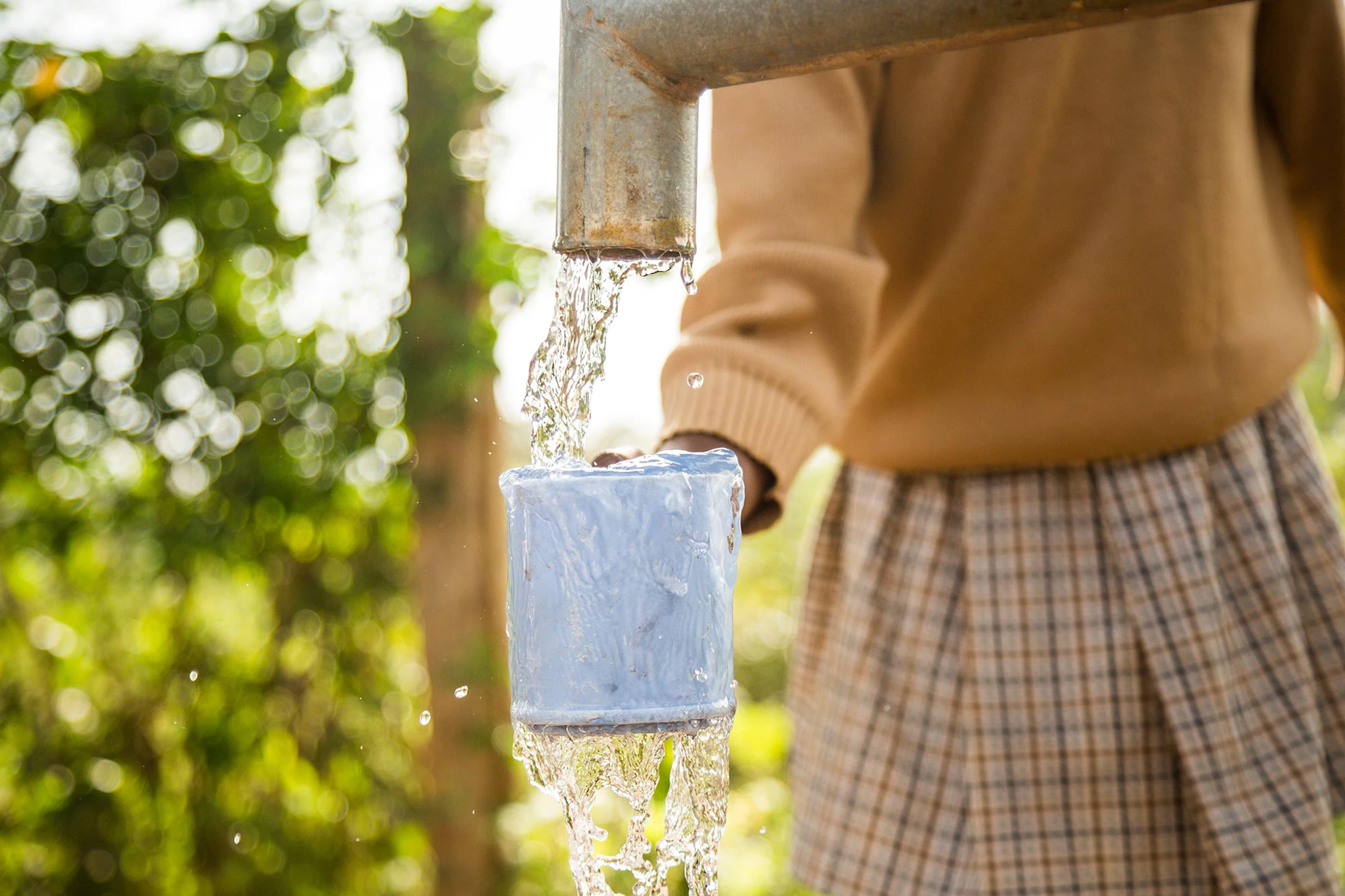
This methodology covers the avoided emissions from replacing baseline practices such as boiling unsafe water using non-renewable biomass or fossil fuels with sustainable drinking water supply solutions. Activities include the rehabilitation of boreholes and piped systems, the deployment of gravity-fed networks, solar-powered UV disinfection systems, and mechanical hand pumps powered by renewable energy.
The methodology can be applied to a range of contexts where improved access to safe drinking water delivers both emissions reductions and wider sustainable development impacts.
Open for consultation alongside this methodology are two supporting documents:
- Methodology–Supplementary Information (SI) which provides the technical basis and default parameters for crediting structures including hydration determinants, leakage and emissions accounting and compliance guidance.
- Paris Agreement Aligned (PAA) Validation and Verification Guidelines, which provides the technical requirements, prescriptive instructions, and validation protocols for transitioning from the legacy version to the PAA Version 2.0.
The Gold Standard welcomes feedback on all three documents.
Specific questions from Gold Standard to stakeholders are outlined in grey boxed throughout the methodology document:
- Determination of Charcoal Production (Upstream) Emission Factors, pg. 7
- Baseline scenario, pg. 27
- Leakage emissions, pg. 36
- Reversals, pg.43