
Betulia’s 6.8 MW run-of-the-river hydro project in northern Honduras delivers renewable electricity while preserving natural river flows and protecting local wildlife. By generating around 23,000 MWh of clean power each year without building a large reservoir, the Betulia Energy and Biodiversity Restoration Project demonstrates that renewable energy can support both climate action and biodiversity.
The Challenge: Fossil Fuels and Risky Alternatives
In northern Honduras, electricity generation has long relied on heavy fuel oil and diesel-powered plants. As highlighted by the World Health Organization and the World Bank, these facilities contribute to air pollution, greenhouse gas emissions and respiratory illness, while degrading local environments.
At the same time, communities also face ongoing challenges in accessing reliable and affordable energy. Although large hydropower dams are often presented as alternatives to fossil fuels, they can carry significant environmental and social risks, including disruption of river ecosystems and the displacement of local communities.
Reducing emissions without creating new harm remains a pressing challenge.
A Responsible Renewable Solution
Small-scale, run-of-the-river hydropower offers a different path. Unlike large dams, it generates electricity without creating vast reservoirs and maintains natural river flow patterns. This reduces ecological disturbance while still delivering renewable power.
The Betulia Energy and Biodiversity Restoration Project was developed to respond to this need. By using run-of-river hydroelectric technology, the project produces clean electricity while safeguarding waterways and surrounding habitats. Natural river flows are maintained, fish populations are monitored, and the ecological integrity of local waterways and surrounding habitats is preserved, whilst reducing greenhouse gas emissions.
These features help ensure that climate action does not come at the expense of biodiversity or community wellbeing.
While the project has not yet benefited from large-scale international financing, Gold Standard certification and carbon credit revenues have enabled it to maintain high environmental safeguards and continue operating responsibly. Long-term success, however, depends on stable investment, supportive policies and ongoing collaboration with local stakeholders.
Project Overview
The Betulia Hydroelectric Project is a 6.8 MW run-of-the-river facility located in northern Honduras. Registered under Gold Standard in 2015, it supplies approximately 23,000 MWh of renewable electricity to the national grid each year, displacing fossil fuel-based generation.
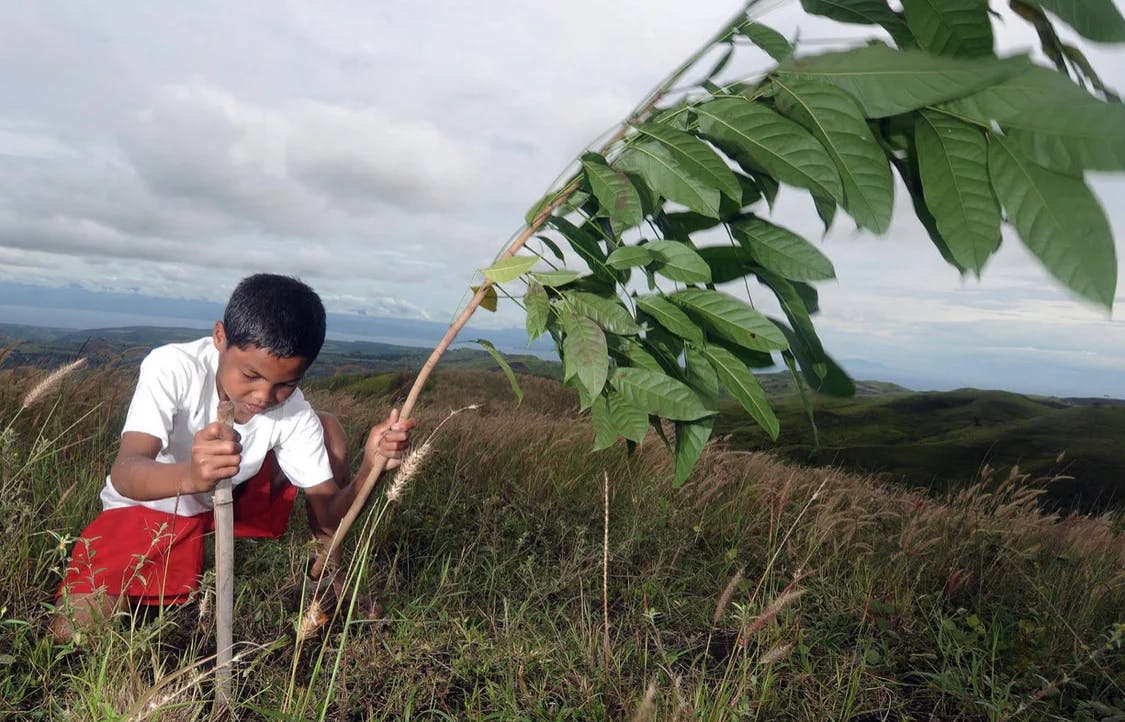
Beyond clean energy production, the project incorporates dedicated biodiversity protection measures. These include regular monitoring of local flora and fauna, maintaining natural river flow patterns to safeguard fish populations, supporting reforestation activities in the Betulia Valley, and creating buffer zones to preserve habitats for native wildlife. These commitments extend the project’s impact beyond emissions reductions to the long-term resilience of local ecosystems.
Climate, Nature and Community Impact
The renewable electricity generated by Betulia directly replaces fossil fuel-based power, reducing greenhouse gas emissions and strengthening energy security (SDG 7 and SDG 13). Because the project operates without a reservoir, it avoids many of the ecological risks associated with large hydropower developments.
The project also supports local livelihoods. Employment opportunities have been created through construction, operations and environmental management activities, contributing to decent work and economic growth (SDG 8).
By preserving river ecosystems, supporting reforestation and protecting terrestrial habitats, the project supports life below water (SDG 14). Reforestation and habitat protection measures contribute to life on land (SDG 15), helping to restore vegetation and safeguard biodiversity in the region.
Through this integrated approach, Betulia delivers measurable climate benefits while strengthening ecosystem resilience and supporting surrounding communities.
Quotes, Testimonials
Rogier van Meenen, Promoter of Global Climate commented: “The Betulia Hydroelectric Project showcases exactly why international cooperation and the carbon market are so vital for climate action. Over the past thirty years, our organization has witnessed - and helped drive - remarkable progress in renewable energy development, thanks to a blend of technical expertise, business acumen, and unwavering commitment to our mission. The support from partners worldwide, particularly through Gold Standard certification and carbon credit sales, has enabled us to expand our impact, ensuring projects like Betulia not only generate clean energy but also protect ecosystems and uplift local communities. Without this crucial backing, these transformative benefits would not be possible.”
Local resident Eduar Javiér Guzmán and his son Victoriáno Guzmán said: “The project's strong environmental safeguards are evident: there have been no issues regarding fish populations, air or water quality, noise, or groundwater levels. No sediment accumulation has been reported, and soil erosion has not occurred. These results underscore the effectiveness of the project’s comprehensive measures to conserve the local ecosystem and maintain a positive impact on the surrounding communities.”
Why Carbon Market Support Matters
Projects like Betulia show that renewable energy can be developed responsibly, avoiding the harms associated with fossil fuels and large dams alike. Run-of-the-river hydropower provides a practical, lower-impact alternative that protects rivers while contributing to national climate goals.
Carbon finance plays a vital role in sustaining these standards. By purchasing credits from the Betulia Hydroelectric Project on the Gold Standard Marketplace, buyers help maintain strong environmental protections and support the continued operation of responsibly developed clean energy.
Every credit supports verified emissions reductions, biodiversity protection and local employment, helping to scale solutions that deliver for climate, nature and communities.
Project Impact and Benefits
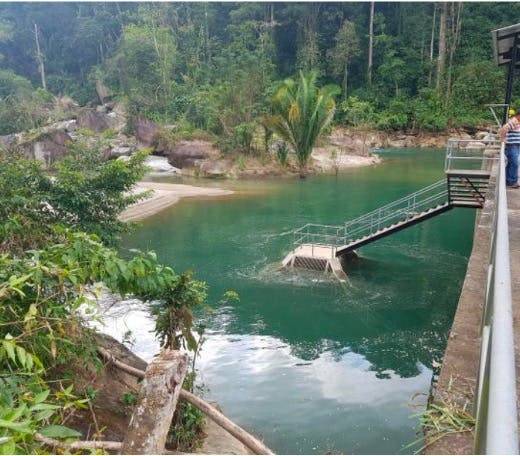
Clean Energy Generation: A photograph of the Betulia Hydroelectric facility in operation, highlighting the infrastructure that delivers renewable power to local communities.
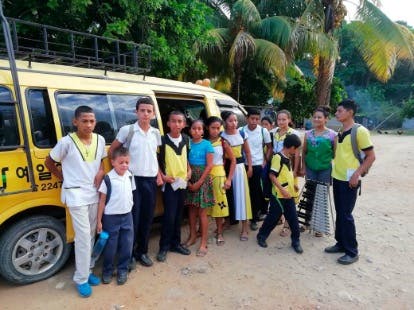
Community Empowerment: An image depicting local community members engaged in project activities or benefiting from improved energy access, such as children studying under electric lighting or families using clean energy for daily needs.
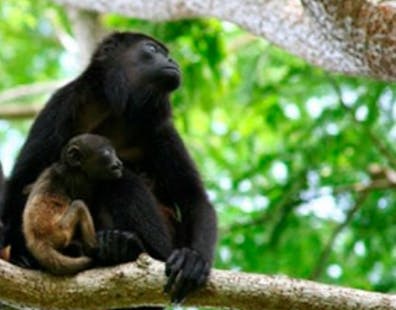
Environmental Conservation: A scenic photo capturing the preserved river ecosystem and surrounding lush landscape, illustrating the project’s positive impact on biodiversity and water quality.
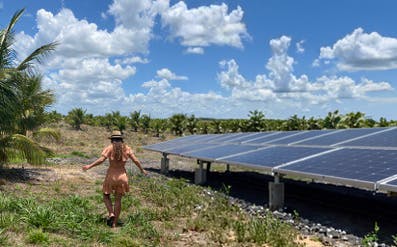
Innovative Solutions: A visual of Distributed Generation by Solar PV installations or organic agroforestry plots in Central-America, showcasing how the project advances sustainable practices beyond hydropower.
About Renewable Energy Developers SA
Renewable Energy Developers SA, based in Honduras, is an experienced project developer specialising in sustainable renewable energy solutions. In partnership with RDP Development in the Netherlands, the company brings extensive expertise in project certification, technical innovation, and international collaboration, ensuring the successful implementation of impactful climate initiatives. Renewable Energy Developers SA combines deep local knowledge with global best practices to deliver projects that are both environmentally and socially beneficial. This collaboration leverages Renewable Energy Developers SA’s on-the-ground experience and community engagement with RDP Development bv’s strategic planning and oversight, fostering projects that contribute meaningfully to climate action and the advancement of the Sustainable Development Goals in the world.