
Clean cooking in Benin: Local ownership is redefining climate action
Introducing the problem
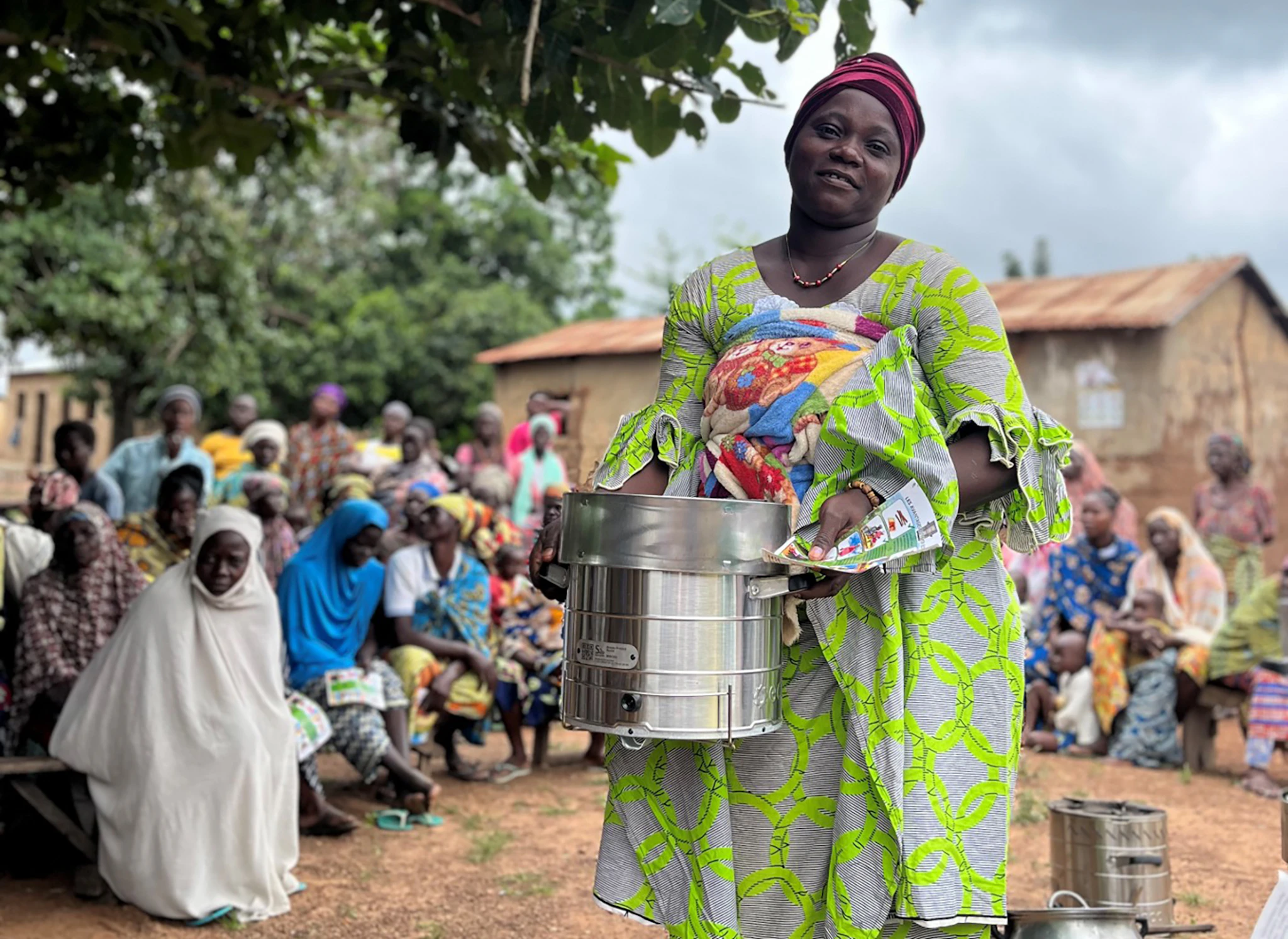
For much of sub-Saharan Africa, the energy transition begins in the kitchen. Currently, 4 out of 5 households lack access to clean cooking, a figure projected to rise alongside population growth. This isn't just an energy gap; it’s a critical intersection of public health and environmental preservation.
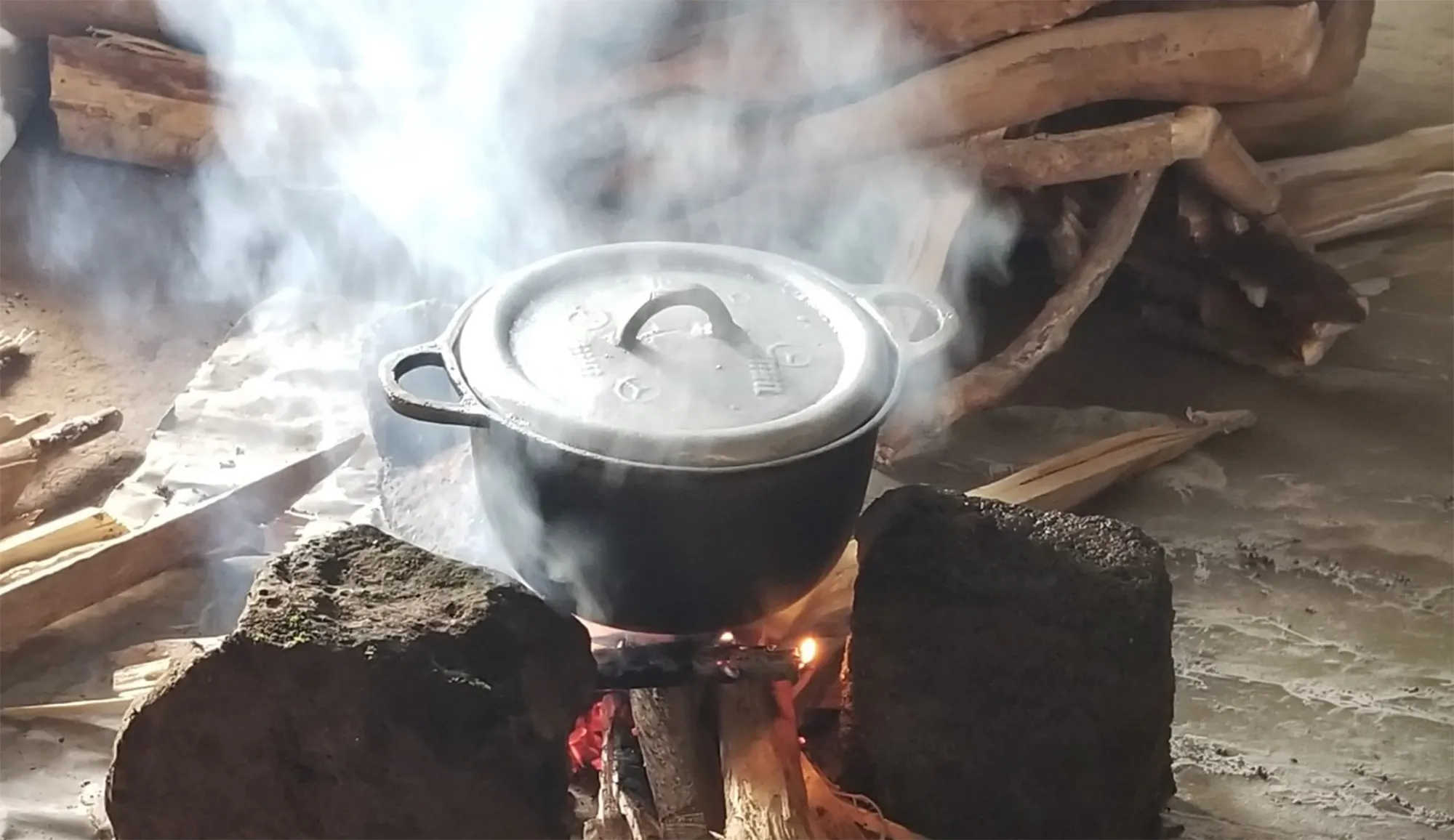
The reliance on traditional biomass is damaging people, nature and the planet. Beyond the 1.3 million hectares of African forest lost annually, the resulting emissions account for 25% of Africa’s energy-related CO2. In Benin, where clean cooking access sits at just 6%, respiratory infections have become the second leading cause of premature death. Women are the most exposed to smoke, increasing gender inequalities.
The challenge is significant, but the strategy is clear. Benin aims to reach 50% clean cooking access by 2030, a goal that requires equipping over 800,000 households with improved stoves.
Solution to the problem
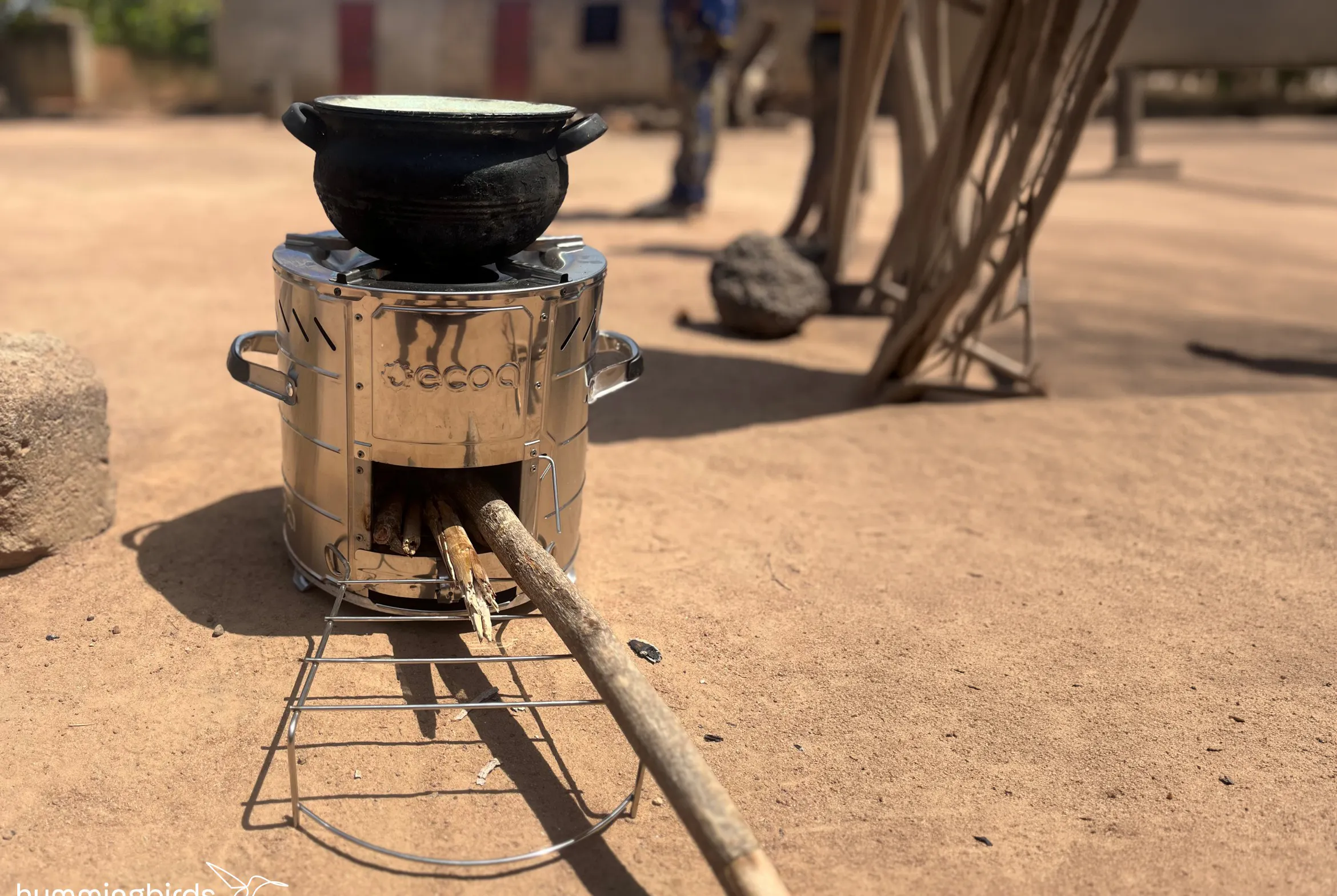
At the core of this transformation is carbon finance. Carbon credits can bridge the funding gap, channelling private funds to make sustainable cooking technology affordable and scalable in Benin. The Bissap Project leverages this mechanism to distribute BURN Ecoa Wood cookstoves at no cost to rural households in Benin, aligning regional health outcomes with global climate goals. By utilising high-efficiency and easy-to-use biomass stoves, the project facilitates a seamless transition in cooking habits while delivering immediate gains in air quality and reduction of wood consumption. Women, the primary beneficiaries, report significant improvements in personal well-being and financial gains.
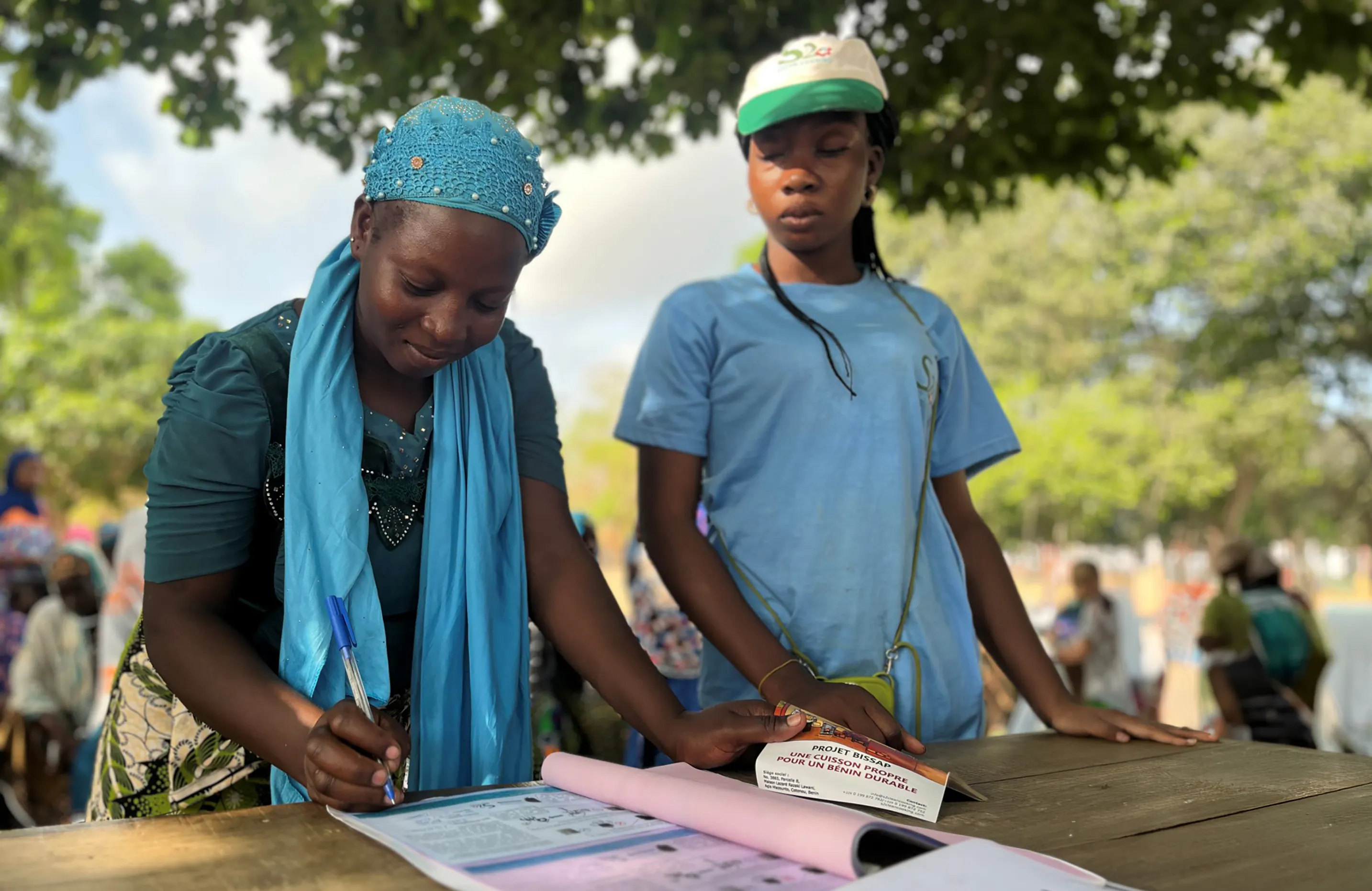
To ensure long-term stakeholder alignment, the initiative includes a €40,000 yearly envelop for community-selected projects (this means that the amount is reserved each year regardless of project performance) and allocates 1% of carbon profits to local communities. Project integrity is maintained through a conservative fNRB of 34% (MoFuSS), and a rigorous monitoring framework, with field agents conducting triannual monitoring logged via the S2bi platform for real-time transparency. Moreover, digital sensors integrated into a random sample of stoves provide a data-driven layer of verification for adoption and usage rates.
This comprehensive conservative approach ensures the Bissap Project remains a high-integrity model for sustainable development.
Overview of the Project
At hummingbirds, we believe climate action is inextricably intertwined with community empowerment. Alongside our partner S2 Services, we developed and now operate the Bissap Project, a Gold Standard-registered initiative distributing 150,000 improved cookstoves across rural Benin.
To ensure long-term success, the project utilises a network of field agents locally recruited and trained in carbon finance and clean cooking. These agents identify eligible households and raise awareness of the stoves' benefits: reduced biomass consumption, faster cooking times, and decreased smoke exposure. As they are locals, they are able to communicate and connect with the communities in their native languages.
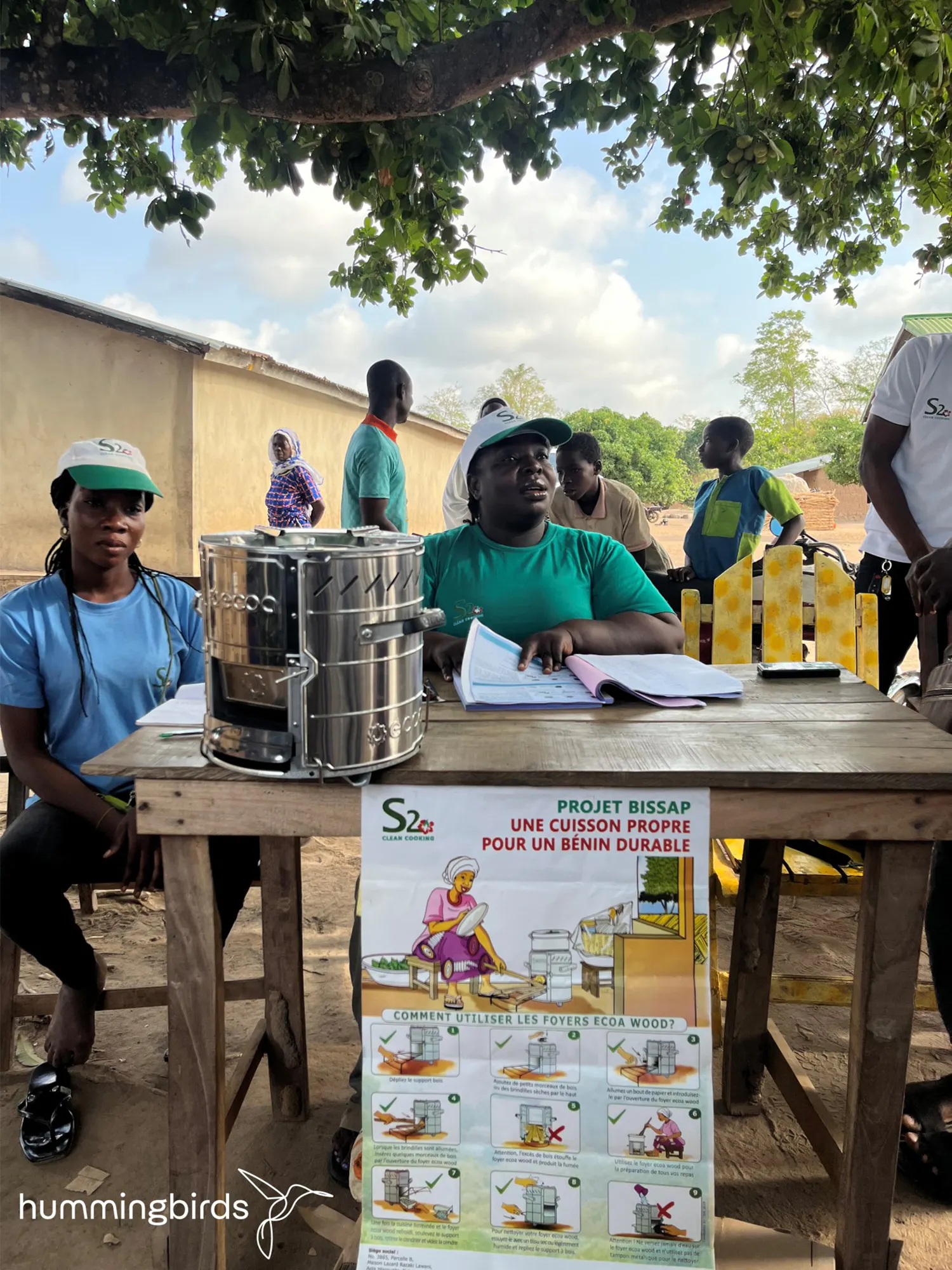
By replacing traditional three-stone fires, the Bissap project is tackling energy poverty and health risks. The success of high-impact carbon projects relies on local ownership. Women are the main actors in the project, and their feedback is carefully considered at each monitoring exercise. They often report to our field agents how Bissap cookstoves have improved their daily lives.
Impact and Benefits of the Project
SDG Targets
SDG1 No poverty: 1.1, 1.4, 1.5
- 150,000 households will directly benefit from improved cookstoves.
- Reduced expenditures on basic services linked to cooking, thanks to improved cookstove adoption.
SDG5 Gender equality: 5.4
- Value unpaid domestic work to enable women to reduce time spent on such work as cooking and wood collection.
SDG3 Good health and well-being: 3.9
- Indoor pollution reduction and reduction of indoor pollution-related illnesses.
- Fire hazard reduction risk:
- Estimated percentage of households that observed reduction in PM2.5 and CO2 concentration reductions: 90% target.
.
SDG7 Affordable clean energy 7.1
- Increased access to improved cookstoves with higher energy efficiency than the traditional three-stone cooking method:
- 150,000 households will benefit from improved cookstoves in 3 years.
- 201,000+ cookstoves will be disseminated (including replacement) over 7 years.
SDG8 Decent work and economic growth 8.1, 8.4, 8.5
- Sustainable economic growth and creation of jobs for project implementation and monitoring.
- Full employment and decent work with equal pay:
- An estimated 330 FTE jobs have been created thanks to the project’s activities.
- Women make up 30% of the jobs created.
SDG13 Climate Action 13.1,13.3
- Strengthen resilience and adaptive capacity to climate-related disasters.
- Build knowledge and capacity to meet climate change:
- Net estimated avoided emission in the project area, measured against the without-project scenario: 2.5 mtCO2e over 15 years.
- Number of people directly sensitised to climate change and environmental resilience practices: 150,000 people.
Stories from the ground
"What I like most is seeing the impact of our work on the ground, directly at the household level. When we visit the villages where we have distributed the stoves, we see that households appreciate the benefits of the stoves and are happy to have them. It reduces their wood consumption, cuts down on cooking time, makes cooking faster and healthier, and saves them money and time, while also preventing all kinds of illnesses and burns."
- Josiane Allosse, Head of Operations and Logistics, 44 years old, N’Dali
“Using the three stones was very time-consuming. Now, I save time by using the Bissap stove. We are tobacco farmers. When my husband is in the field, I prepare the meal, and once I’m done, I join him in the field since cooking is now quick.
“I am very happy to have received the stove and thank you again. I am saving the extra money to buy cloth. Before, it was difficult to give my child money for school. Now I can do that and use the money for other things at home.”
- Alima Abdoulaye, user, 40 years old, N’Dali
Conclusion
The Bissap Project represents a high-integrity model of how carbon finance can be operationalised to deliver both environmental and social returns at scale. By integrating real-time digital monitoring with direct community reinvestment, we ensure that technological adoption translates into verifiable, long-term health and economic benefits for Beninese households. This data-driven approach solidifies our commitment to transparency while setting a rigorous standard for sustainable, community-led climate interventions.
About hummingbirds
hummingbirds is a project developer providing finance and technical assistance to nature-based project holders working towards high-integrity carbon projects. Our core activities include sourcing, developing, and financing new nature-based solutions (NbS) projects, while providing capacity building and assistance to local project developers, particularly for greenfield projects.
We are committed to impact with a clear focus on reversing global warming and biodiversity loss trajectories. By investing in early-stage development, we significantly de-risk NbS projects to make them bankable for investors entering the operational phase. Our diverse team of 25 professionals is strategically located across Paris and key regions in Africa, Latin America, and Asia-Pacific.