
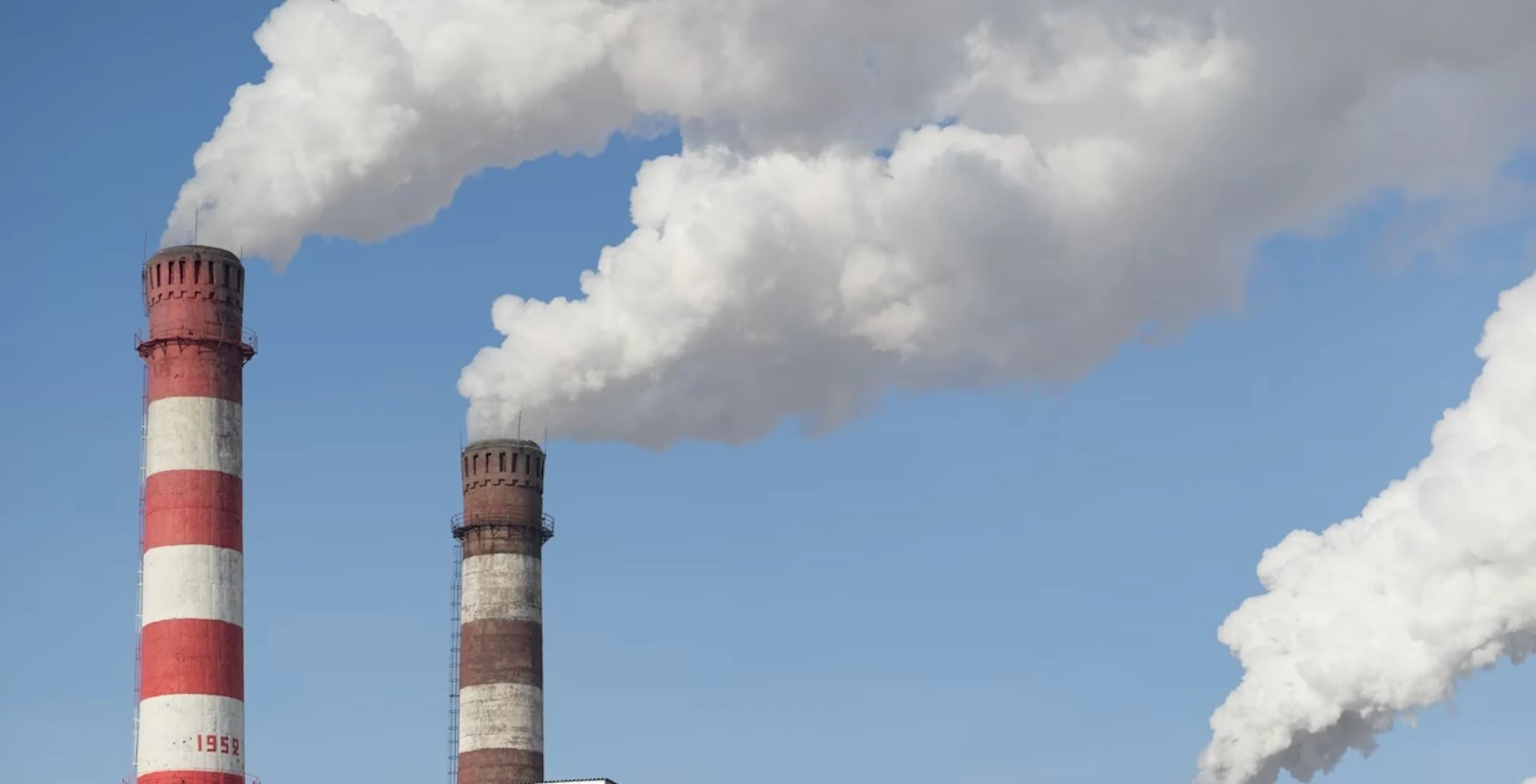
The global energy transition is underway, but it is uneven and incomplete. Fossil fuels remain deeply embedded in our economies, from the massive, centralised power plants that form the backbone of national grids to the millions of smaller generators operating in the shadows, and the systems that depend on them that sustain millions of livelihoods.
At a time when ‘just transition’ is being used loosely and sometimes cynically, this framework turns it into something concrete that protects people.
Real progress towards net zero, as debates at COP have made clear, requires more than expanding clean energy; it demands managing the phase-out of fossil fuels at all scales, whilst also protecting people, ensuring energy security and maintaining trust in climate finance. These COP discussions have shown that the world is starting to focus not only on building clean energy, but on how to manage a fair and credible transition away from fossil fuels.
This presents challenges across both scales of the energy generation spectrum.
On one side, large-scale assets like coal-fired power plants provide essential base power and support entire regional economies in many countries. A just transition ensures that new opportunities replace lost ones, through retraining, social protection and community investment, so that climate ambition translates into shared prosperity.
On the other side lies the often-unseen "shadow grid", the pervasive reliance on dispersed fossil fuel generators, primarily diesel. The scale is staggering: an estimated 350-500 GW of capacity in developing countries alone comes from these sources—equivalent to 700–1000 large coal plants. They power homes, schools, clinics, and Small and Medium Enterprises (SMEs) that are either off-grid or suffer from unreliable service. For many, this comes with an “energy poverty premium”: paying far more per unit of electricity than grid-connected consumers, often for power that is heavily polluting and unreliable. Here, justice looks different. The priority is securing access to clean, reliable and affordable energy that reduces costs, improves health and supports local development. Replacing generators with decentralised renewable solutions can deliver immediate benefits: lower operating costs, better air quality, less noise and greater resilience for frontline services such as health clinics and schools.
To address this, Gold Standard has launched public consultations on two new methodologies: Joined-up Sustainable Transition (JUST): Coal Decommissioning and Joined-up Sustainable Transition (JUST): Fossil Fuel Generators, one for large-scale coal decommissioning and one for smaller-scale fossil fuel generators. Together, they aim to channel investment into the managed phase-out of fossil fuel assets of all sizes and their replacement with reliable clean energy systems – proven technologies that already exist.
This represents a necessary evolution of carbon markets. Traditional carbon credits reward activities that avoid or remove emissions. These “transition credits” go further by financing systems that replace polluting sources altogether. They provide a pathway for projects, governments and investors to move beyond sunk costs and accelerate the clean energy transition with integrity, aligning directly with the goals of the Paris Agreement.
Integrity, however, is non-negotiable. Transition credits must never justify new fossil investment or reward business-as-usual closures. Projects will need a credible and realistic plan for decommissioning, a permanent global shutdown of fossil facilities, and replacement with renewable capacity that maintains energy reliability. They must also prepare a just Transition Plan tailored to the specific needs of workers, communities and local economies affected by the change.
Transition credits can unlock the scale of finance needed for meaningful impact. Early analysis from the Transition Credits Coalition suggests that retiring and replacing a third of existing coal capacity in 15 Asian markets could deliver around 1 gigatonne of annual emissions reductions. Simultaneously, expanding these efforts to smaller generators and distributed systems – the focus of our white paper “Beyond Coal: Expanding Transition Credits to Dispersed Energy Solutions for a Just Future” – would democratise these benefits, reaching a far larger and more diverse global population and delivering tangible gains for health, livelihoods and local economies.
This the next phase of carbon finance. Renewable energy is a proven success. Renewable energy technologies are now widely available and increasingly cost-competitive. As a result, many potential renewable energy projects are no longer considered “additional” under robust carbon market rules and can’t now be financed with carbon revenue in many markets and contexts. The carbon market must now turn to funding the transition itself: closing fossil assets early, rapidly displacing dispersed polluting systems, and putting people, whether they are workers in a coal plant or small business owners running a diesel generator, at the centre of the process. This is the type of financial innovation many at COP have called for to support a real, durable phase-out of fossil fuels.
The transition to a net-zero world will only succeed if it is fair, inclusive and credible at every level. Transition credits for the retirement of both coal power plants and fossil fuel generators offer a practical mechanism to make that possible, mobilising finance for climate mitigation while ensuring that the shift away from fossil fuels delivers lasting benefits for people and nature. With robust safeguards and a clear focus on equity, carbon markets can help deliver the just and fast transition the world is calling for.
That is what it means to move beyond coal, beyond carbon, and towards a future powered by integrity.
We cannot afford another year of arguing about fairness while people stay locked in high-cost, high-pollution systems. The tools for a fast and fair transition exist today. It is time to use them