
The Other Half of Paris: Sanitation, Methane and the Service After the Toilet whitepaper examines sanitation in the world’s 44 least developed countries.
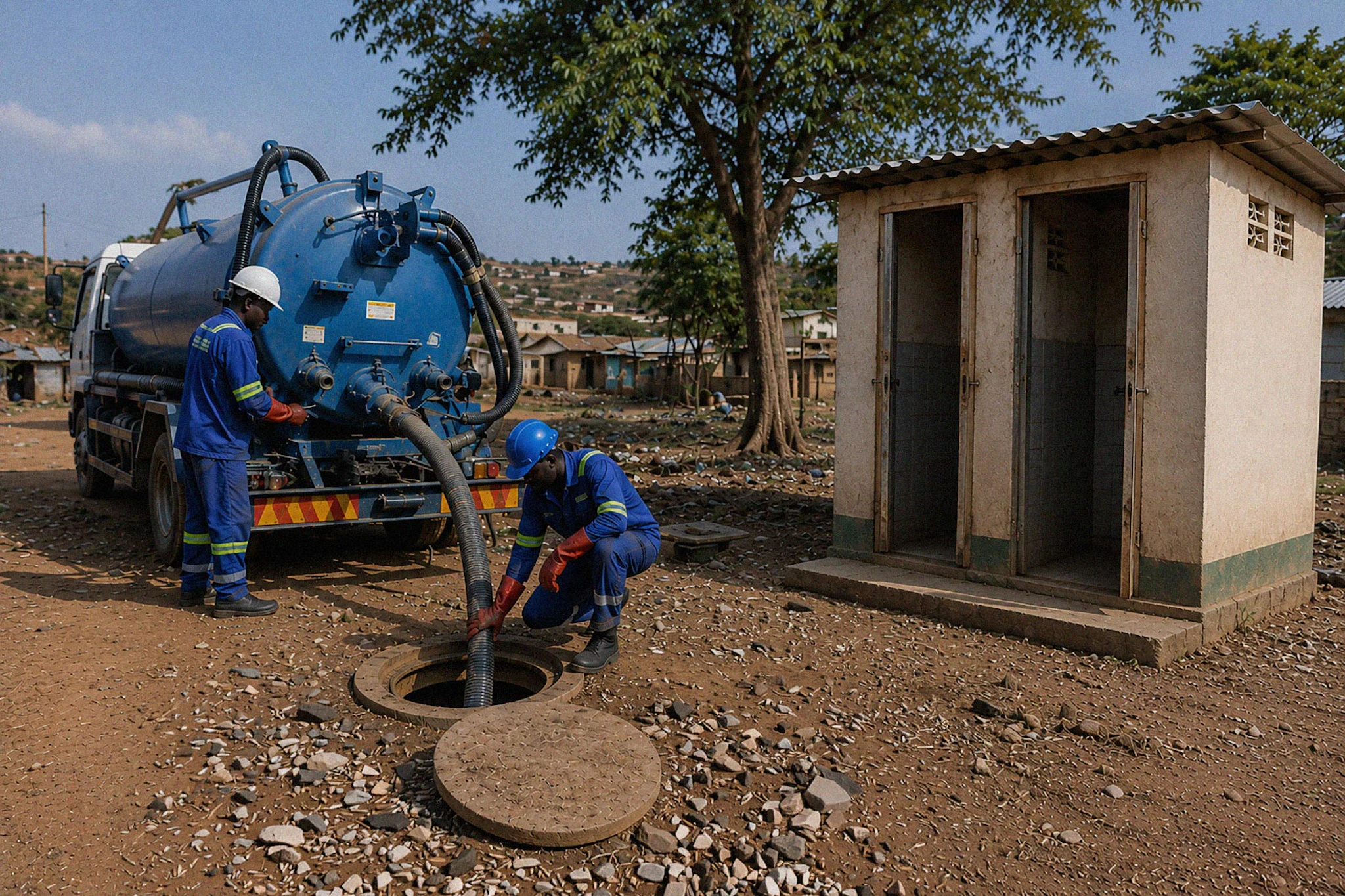
It estimates that household sanitation produces around 105 million tonnes of CO₂e a year. About two-thirds comes from people who already have an improved toilet, but whose waste may not be emptied and treated.
The paper finds that expanding toilet access without a working service could increase emissions. A service-based approach, safely collecting, transporting and treating waste, could avoid 70–127 million tonnes of CO₂e a year compared with that path.
This is where climate action and sustainable development meet. Sanitation services can protect health while cutting methane.
Gold Standard’s new Paris Agreement-aligned Safe Sanitation Services (SASS) methodology provides a way to quantify those methane reductions. It covers the full service chain, from containment through to treatment and safe disposal, with monitoring to track waste and prevent double counting. globalgoals.goldstandard.org